12 Easy And Safe Ways To Get Rid Of Period Cramps
Period cramps, medically known as dysmenorrhea, are one of the most common menstrual symptoms experienced by women and adolescent girls. The pain usually begins one or two days before menstruation or on the first day of the period and can range from mild discomfort to severe pain that interferes with daily activities.
While period cramps are a normal part of the menstrual cycle for many women, they don't have to be something you simply endure. Fortunately, there are several safe, effective, and science-backed methods that can help reduce menstrual pain and improve comfort during your period.
In this guide, we'll explore 12 easy and safe ways to relieve period cramps naturally and medically, explain why cramps happen, and discuss when it's time to seek medical advice.
What Causes Period Cramps?
During menstruation, the uterus contracts to help shed its lining. These contractions are triggered by hormone-like chemicals called prostaglandins.
Women with higher levels of prostaglandins tend to experience:
Stronger uterine contractions
Increased menstrual pain
More severe cramping
Most period cramps are normal, but severe or persistent pain may indicate an underlying condition such as endometriosis, adenomyosis, uterine fibroids, or pelvic inflammatory disease.
Common Symptoms of Period Cramps
Period cramps may feel different from person to person.
Common symptoms include:
Lower abdominal pain
Pelvic pressure
Lower back pain
Pain radiating to the thighs
Fatigue
Dizziness
The pain often lasts between one and three days but can vary.
12 Easy and Safe Ways to Get Rid of Period Cramps
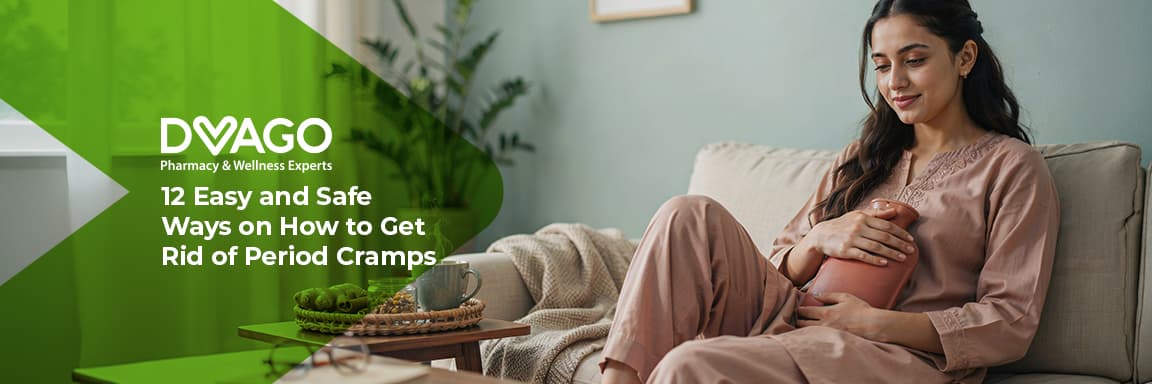
1. Apply Heat to the Lower Abdomen
Heat therapy is one of the most effective home remedies for menstrual cramps.
Applying a heating pad or hot water bottle helps:
Relax uterine muscles
Improve blood circulation
Reduce muscle spasms
Ease pain naturally
You can apply heat for 15–20 minutes several times a day.
A warm bath may also provide additional relaxation.
2. Stay Physically Active
Although exercising while experiencing cramps may seem difficult, light physical activity can actually reduce pain.
Gentle exercises include:
Walking
Stretching
Yoga
Light cycling
Exercise increases blood circulation and stimulates the release of endorphins, the body's natural pain-relieving chemicals.
Even 20–30 minutes of gentle movement can make a noticeable difference.
3. Stay Well Hydrated
Drinking enough water may help reduce bloating and support overall body function during menstruation.
Hydration can:
Reduce water retention
Improve circulation
Support muscle function
Reduce feelings of fatigue
Aim to drink plenty of water throughout the day, especially during your period.
4. Eat an Anti-Inflammatory Diet
Certain foods may help reduce inflammation and support hormonal balance.
Include foods such as:
Leafy green vegetables
Fruits
Whole grains
Nuts
Seeds
Fish rich in omega-3 fatty acids
Beans and lentils
Try to limit:
Highly processed foods
Sugary snacks
Excess salt
Fried foods
Excess caffeine
A balanced diet supports overall menstrual health.
5. Try Gentle Stretching or Yoga
Yoga can help relax the pelvic muscles and reduce menstrual discomfort.
Beneficial poses include:
Child's Pose
Cat-Cow Stretch
Cobra Pose
Supine Twist
Happy Baby Pose
Stretching also reduces muscle stiffness and promotes relaxation.
6. Get Enough Rest and Sleep
Your body needs extra rest during menstruation.
Poor sleep can make cramps feel worse by increasing pain sensitivity.
Tips for better rest include:
Maintain a regular sleep schedule
Create a comfortable sleeping environment
Avoid excessive screen time before bed
Sleep for at least 7–9 hours
Adequate sleep supports recovery and hormonal balance.
7. Practice Relaxation Techniques
Stress can increase muscle tension and make menstrual pain feel more intense.
Relaxation techniques may include:
Deep breathing exercises
Meditation
Progressive muscle relaxation
Listening to calming music
Mindfulness practices
Lower stress levels often help reduce the perception of pain.
8. Consider Over-the-Counter Pain Relievers
For moderate to severe cramps, healthcare providers may recommend over-the-counter pain relievers such as nonsteroidal anti-inflammatory drugs (NSAIDs).
These medications work by reducing prostaglandin production, helping relieve pain and inflammation.
Always:
Follow dosage instructions carefully.
Avoid self-medicating for prolonged periods.
Consult a healthcare professional if you have medical conditions or are unsure which medication is appropriate.
9. Limit Caffeine and Sugary Drinks
Excessive caffeine may contribute to:
Increased muscle tension
Bloating
Dehydration in some individuals
Replacing sugary drinks and multiple cups of coffee with water or herbal teas may help some women feel more comfortable during their periods.
10. Massage the Lower Abdomen
A gentle abdominal massage can help relax tight muscles and improve circulation.
Using light circular motions over the lower abdomen may:
Reduce cramping
Relieve muscle tension
Promote relaxation
Some people also use massage oils containing lavender or peppermint, although these should be used cautiously and avoided if they cause skin irritation.
11. Maintain a Healthy Lifestyle Throughout the Month
Healthy habits practiced every day—not just during your period—can reduce menstrual discomfort over time.
These include:
Regular exercise
Healthy eating
Maintaining a healthy weight
Staying hydrated
Managing stress
Avoiding smoking
Long-term lifestyle improvements often lead to healthier menstrual cycles.
12. Track Your Menstrual Cycle
Keeping track of your cycle helps you prepare for upcoming symptoms.
A menstrual tracking app or calendar can help you:
Predict your next period
Prepare pain relief methods in advance
Identify patterns in your symptoms
Notice changes that should be discussed with your healthcare provider
Tracking is especially useful if your cramps become more severe over time.
Natural Remedies That May Help
Some women find relief from certain natural approaches.
These include:
Warm herbal teas such as ginger or chamomile
Gentle stretching
Heat therapy
Relaxation techniques
Adequate hydration
Although many people find these helpful, natural remedies should not replace medical treatment for severe menstrual pain.
Foods That May Support Menstrual Health
A nutritious diet may help reduce inflammation and support hormonal balance.
Consider including:
Spinach
Broccoli
Bananas
Salmon
Walnuts
Almonds
Pumpkin seeds
Oats
Yogurt
Fresh fruits
These foods provide vitamins and minerals that support overall health.
What Should You Avoid During Painful Periods?
To minimize discomfort, it may help to limit:
Highly processed foods
Excess salt
Excess caffeine
Sugary beverages
Smoking
Excessive alcohol
Making healthier food choices may reduce bloating and improve overall well-being during menstruation.
When Are Period Cramps Not Normal?
While mild to moderate cramps are common, you should consult a healthcare provider if you experience:
Extremely severe pain that interferes with daily life
Pain lasting longer than several days
Heavy menstrual bleeding
Fever during menstruation
Pain that suddenly becomes much worse
Pain between periods
Pain that does not improve with medication
These symptoms could indicate conditions such as endometriosis, fibroids, adenomyosis, or pelvic inflammatory disease.
Can Period Cramps Be Prevented?
Not all menstrual cramps can be prevented, but healthy lifestyle habits may reduce their severity.
Helpful habits include:
Regular exercise
Balanced nutrition
Staying hydrated
Managing stress
Maintaining a healthy weight
Getting enough sleep
Consistency is often more beneficial than relying on remedies only during your period.
Women's Health Essentials Available at Dvago
Managing menstrual discomfort often involves a combination of healthy habits, hydration, proper nutrition, and appropriate healthcare products. Dvago offers a wide range of women's health essentials, including pain relief medications, heating pads, sanitary products, vitamins, supplements, and other trusted healthcare items that can help support comfort and well-being during your menstrual cycle.
Always consult a healthcare professional before starting any new medication or supplement, particularly if your menstrual pain is severe or accompanied by unusual symptoms.
Final Thoughts
Period cramps are a common part of the menstrual cycle, but they shouldn't prevent you from living your everyday life. Simple strategies such as applying heat, staying active, eating nutritious foods, drinking plenty of water, getting enough rest, and managing stress can significantly reduce menstrual discomfort for many women.
If home remedies and over-the-counter pain relief are not effective or your pain becomes increasingly severe, it's important to seek medical advice. Early diagnosis and treatment of underlying conditions can improve both menstrual health and overall quality of life.
By understanding your body, adopting healthy lifestyle habits, and using safe pain management techniques, you can make your menstrual cycle more comfortable and easier to manage each month.