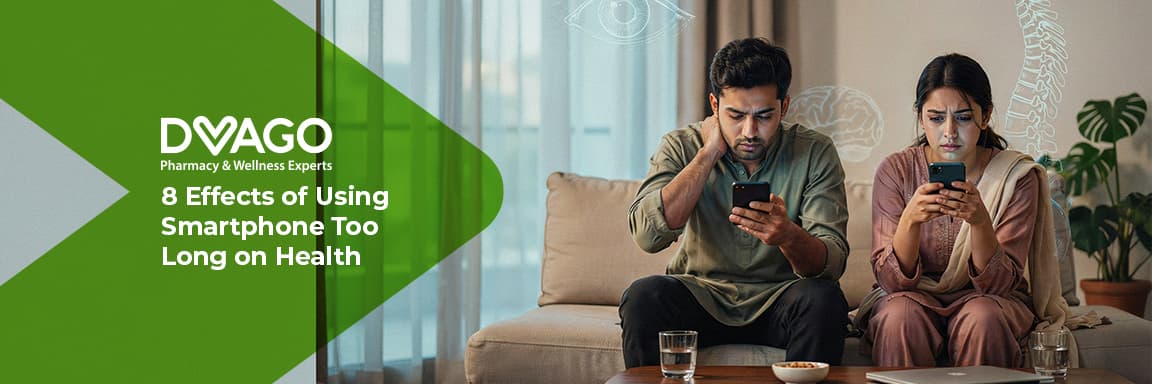
8 Effects Of Using Smartphone Too Long On Health
Smartphones have become an essential part of modern life. From communication and education to work, entertainment, shopping, and healthcare, these devices help us stay connected and productive. However, spending too much time on a smartphone can have negative effects on both physical and mental health.
According to recent research, the average person spends several hours each day using a smartphone. Whether it's scrolling through social media, watching videos, gaming, or responding to emails, prolonged screen time can gradually affect posture, sleep, eyesight, mental well-being, and overall quality of life.
While smartphones themselves are not harmful when used responsibly, excessive use without regular breaks may increase the risk of several health problems. Understanding these risks is the first step toward developing healthier digital habits.
In this article, we'll discuss eight major effects of using smartphones for too long, along with practical tips to reduce screen time and protect your health.
Why Excessive Smartphone Use Is a Concern
Smartphones encourage prolonged periods of sitting, repetitive hand movements, and constant visual focus on small screens. They can also interfere with sleep patterns and increase mental stress due to continuous notifications and digital engagement.
Over time, excessive smartphone use may contribute to:
Eye strain
Poor posture
Sleep disturbances
Reduced physical activity
Mental fatigue
Social isolation
Repetitive strain injuries
Using smartphones in moderation can help minimize these risks.
8 Effects of Using Smartphones Too Long on Health
1. Digital Eye Strain
One of the most common problems associated with prolonged smartphone use is digital eye strain, also known as computer vision syndrome.
Staring at a screen for long periods can reduce blinking, causing the eyes to become dry and irritated.
Common symptoms include:
Blurred vision
Dry eyes
Burning sensation
Eye fatigue
Headaches
Difficulty focusing
How to Reduce Eye Strain
You can protect your eyes by:
Following the 20-20-20 rule (every 20 minutes, look at something 20 feet away for 20 seconds)
Adjusting screen brightness
Increasing text size
Keeping the screen at a comfortable distance
Using proper lighting while reading
Regular eye examinations are also important, especially if symptoms persist.
2. Neck, Shoulder, and Back Pain
Looking down at a smartphone for extended periods places extra stress on the neck and spine, a condition commonly referred to as "text neck."
Poor posture can lead to:
Neck stiffness
Shoulder pain
Upper back discomfort
Muscle tension
Reduced flexibility
The longer you maintain poor posture, the greater the strain on your muscles and joints.
Prevention Tips
Hold your phone at eye level whenever possible.
Sit with your back supported.
Stretch your neck and shoulders regularly.
Avoid using your phone while lying in awkward positions.
3. Poor Sleep Quality
Using smartphones before bedtime can interfere with healthy sleep.
The blue light emitted from screens may suppress the production of melatonin, the hormone responsible for regulating sleep.
As a result, excessive nighttime phone use may lead to:
Difficulty falling asleep
Reduced sleep quality
Frequent nighttime awakenings
Daytime fatigue
Healthy Sleep Habits
Avoid smartphone use at least one hour before bedtime.
Keep phones away from the bed if possible.
Use night mode or blue-light filters during evening hours.
Establish a relaxing bedtime routine.
Good sleep is essential for both physical and mental health.
4. Increased Risk of Anxiety and Stress
Constant notifications, social media updates, and the pressure to stay connected can contribute to stress and anxiety.
Excessive smartphone use may:
Increase mental fatigue
Reduce attention span
Create fear of missing out (FOMO)
Increase feelings of stress
For some individuals, heavy social media use may also negatively affect self-esteem and emotional well-being.
Managing Digital Stress
Consider:
Turning off unnecessary notifications.
Scheduling screen-free time.
Limiting social media use.
Practicing mindfulness or relaxation techniques.
Creating healthy digital boundaries can improve emotional health.
5. Reduced Physical Activity
Spending several hours on a smartphone often means spending less time moving.
A sedentary lifestyle is associated with numerous health risks, including:
Weight gain
Poor cardiovascular health
Reduced muscle strength
Increased risk of chronic diseases
Replacing some screen time with physical activity can improve both physical fitness and mental health.
Stay Active
Aim for at least 150 minutes of moderate exercise per week, such as:
Walking
Cycling
Swimming
Strength training
Yoga
Even short movement breaks throughout the day are beneficial.
6. Hand, Wrist, and Thumb Pain
Frequent typing, scrolling, and gaming can place repetitive strain on the hands and wrists.
This may result in:
Thumb pain
Wrist discomfort
Finger stiffness
Reduced grip strength
In some cases, repetitive movements may contribute to tendon irritation.
Prevention Tips
Take regular breaks from typing.
Stretch your fingers and wrists.
Use voice commands when appropriate.
Avoid holding your phone continuously for long periods.
Listening to your body's signals can help prevent long-term discomfort.
7. Reduced Focus and Productivity
Constant smartphone interruptions can make it difficult to concentrate.
Frequent checking of notifications may:
Reduce productivity
Interrupt learning
Affect memory
Decrease work efficiency
Multitasking with smartphones often reduces overall performance rather than improving it.
Improve Focus
Keep your phone out of reach during work or study.
Use focus modes or "Do Not Disturb" settings.
Schedule dedicated times for checking messages.
Prioritize important tasks before screen time.
Developing mindful smartphone habits can improve concentration and efficiency.
8. Social and Mental Well-Being
Although smartphones help people stay connected, excessive use may reduce face-to-face interactions.
Spending too much time online can sometimes lead to:
Social isolation
Reduced family interaction
Emotional dependence on digital communication
Lower overall life satisfaction
Maintaining real-life relationships remains important for emotional health.
Build Healthy Digital Balance
Try to:
Spend quality time with family and friends.
Participate in outdoor activities.
Read books or pursue hobbies.
Practice screen-free meals and conversations.
Healthy relationships contribute significantly to overall well-being.
Other Possible Effects of Excessive Smartphone Use
In addition to the eight major effects discussed above, prolonged smartphone use may also contribute to:
Reduced attention span
Headaches
Increased stress levels
Poor posture habits
Reduced academic performance
Lower workplace productivity
Not everyone experiences these issues, but they become more likely with excessive daily screen time.
Who Is Most at Risk?
Anyone can experience the effects of excessive smartphone use, but certain groups may be more vulnerable, including:
Students
Office workers
Remote employees
Gamers
Teenagers
People who spend most of their workday on digital devices
Children and adolescents may be particularly sensitive to the effects of prolonged screen exposure, making healthy digital habits especially important from an early age.
Tips to Reduce Smartphone Screen Time
Reducing smartphone use doesn't mean giving it up completely. Instead, focus on creating healthier habits.
Some practical strategies include:
Set daily screen time limits.
Turn off non-essential notifications.
Use apps that monitor screen time.
Take regular breaks every 30–60 minutes.
Avoid using your phone while eating.
Keep your phone away during conversations.
Spend more time outdoors.
Replace screen time with exercise or hobbies.
Avoid checking your phone immediately after waking up.
Keep smartphones out of the bedroom whenever possible.
Small lifestyle changes can make a significant difference over time.
Supporting Your Eye and Overall Health
If you spend long hours using digital devices for work or study, taking care of your overall health becomes even more important.
Maintaining proper posture, staying physically active, getting enough sleep, and attending regular eye examinations can help reduce the impact of prolonged screen use.
Dvago offers a wide range of healthcare essentials that support everyday wellness, including eye care products, lubricating eye drops, vitamins, ergonomic health accessories, sleep support products, pain relief solutions, and general wellness items from trusted brands. Having access to quality healthcare products can help you maintain healthier daily habits while managing the demands of a digital lifestyle.
Always consult a healthcare professional if you experience persistent eye pain, severe headaches, vision changes, or ongoing neck and back discomfort.
When Should You Seek Medical Advice?
Occasional discomfort after using a smartphone is common, but persistent symptoms should not be ignored.
Consult a healthcare provider if you experience:
Ongoing blurred vision
Severe or frequent headaches
Persistent neck or back pain
Numbness in the hands or fingers
Difficulty sleeping for several weeks
Significant anxiety or mood changes related to smartphone use
Early evaluation can help identify underlying issues and prevent long-term complications.
Final Thoughts
Smartphones have transformed the way we communicate, learn, work, and entertain ourselves. While they offer countless benefits, excessive use can negatively affect both physical and mental health if healthy habits are ignored.
Digital eye strain, poor posture, sleep disturbances, reduced physical activity, stress, and repetitive strain injuries are among the most common consequences of prolonged smartphone use. Fortunately, many of these effects can be prevented by practicing good posture, limiting screen time, taking regular breaks, staying active, and prioritizing quality sleep.
The goal isn't to eliminate smartphones from our lives but to use them wisely. By creating a healthier balance between digital activities and real-world experiences, you can enjoy the benefits of technology while protecting your long-term health and well-being.