Hijama Benefits: A Complete Cupping Therapy Guide For Health And Wellness
Hijama, also known as cupping therapy, is an ancient healing practice that has been used for centuries across various cultures, including Middle Eastern, Chinese, and South Asian traditions. In recent years, it has gained renewed attention in Pakistan as more people explore natural and holistic approaches to health and wellness.
Many individuals turn to Hijama for relief from body pain, fatigue, stress, and certain chronic conditions. While it is not a replacement for modern medical treatment, it is often used as a complementary therapy alongside professional healthcare.
In Pakistan, interest in Hijama has grown significantly due to increasing awareness about alternative medicine, lifestyle-related illnesses, and stress-related health problems. However, understanding how Hijama works, its benefits, and its safety considerations is essential before undergoing the procedure.
This guide explains Hijama benefits, types, procedure, safety tips, and what to expect before and after treatment.
What Is Hijama (Cupping Therapy)?
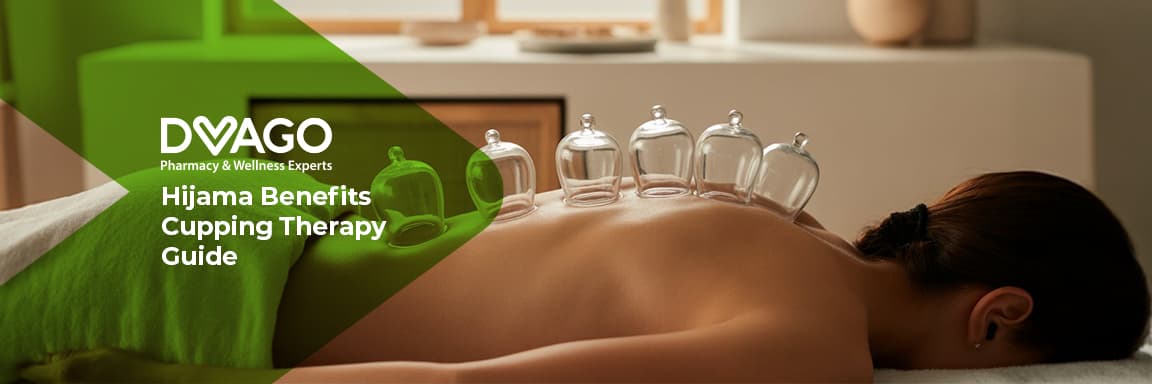
Hijama is a therapeutic practice that involves placing cups on specific points of the body to create suction. This suction is believed to help improve blood circulation, remove toxins, and promote overall healing.
There are two main types of cupping:
Dry cupping: suction only, without blood removal
Wet cupping (Hijama): involves small superficial incisions followed by suction to remove a small amount of blood
Wet cupping (Hijama) is the most commonly practiced form in many Muslim-majority countries, including Pakistan.
Hijama is often performed on specific points of the body such as the back, shoulders, neck, and sometimes legs or head, depending on the condition being treated.
Historical and Cultural Background
Hijama has been practiced for thousands of years. It is referenced in ancient Greek medicine and traditional Chinese medicine. In Islamic tradition, Hijama is also mentioned as a recommended practice for wellness, which is why many Muslims consider it part of Sunnah-based healing practices.
In Pakistan, Hijama clinics are now widely available in cities such as Karachi, Lahore, Islamabad, and Rawalpindi, making it more accessible than ever before.
How Hijama Works
Hijama works by creating suction on the skin, which:
Increases local blood circulation
Helps relax muscle tissue
May reduce inflammation
Stimulates the body’s natural healing response
In wet cupping, small controlled incisions are made on the skin after initial suction. A second suction removes a small amount of blood, which is believed to contain waste products and toxins.
While scientific research is still ongoing, many individuals report symptom relief after treatment.
Top Benefits of Hijama Therapy
1. Relief from Muscle and Joint Pain
One of the most common reasons people in Pakistan seek Hijama is pain relief.
It may help with:
Back pain
Neck stiffness
Shoulder pain
Knee pain
Muscle tightness
By improving blood flow to affected areas, Hijama may help reduce discomfort and improve mobility.
2. Improves Blood Circulation
Hijama is believed to stimulate blood flow in treated areas.
Better circulation may:
Support oxygen delivery to tissues
Promote healing
Improve overall physical performance
Good circulation is essential for maintaining overall health.
3. Reduces Stress and Mental Fatigue
Many people report feeling relaxed after a Hijama session.
This may be due to:
Reduced muscle tension
Improved blood flow
Release of physical stress from tight areas
In fast-paced urban life in Pakistan, stress-related symptoms are increasingly common, making Hijama a popular wellness choice.
4. Helps with Headaches and Migraines
Some individuals use Hijama as a supportive therapy for headaches and migraines.
It may help by:
Reducing tension in neck and shoulder muscles
Improving blood flow to the head region
Supporting relaxation
However, chronic migraines should always be evaluated by a medical professional.
5. Supports Detoxification (Traditional Belief)
Traditionally, Hijama is believed to help remove “stagnant blood” and toxins from the body.
While the scientific concept of detoxification through cupping is debated, many people report feeling lighter and more refreshed after treatment.
6. May Improve Skin Health
Some people use Hijama for skin-related concerns.
It may help with:
Acne (in some cases)
Skin dullness
Blood circulation-related skin issues
Improved circulation may contribute to healthier-looking skin over time.
7. May Support Immune Function
Some practitioners believe that Hijama can help strengthen the immune system by stimulating the body’s natural defense mechanisms.
While more research is needed, many users report fewer episodes of fatigue and general weakness after regular sessions.
8. Helps with Fatigue and Low Energy
Hijama is often used by individuals who feel chronically tired.
Possible benefits include:
Increased energy levels
Reduced physical exhaustion
Improved sense of well-being
However, underlying medical conditions such as anemia or thyroid issues should be ruled out first.
9. May Support Blood Pressure Balance
Some studies suggest cupping therapy may have a mild effect on blood pressure regulation in certain individuals.
However:
It is not a substitute for medication
Patients with hypertension should continue prescribed treatment
Always consult a doctor before combining therapies.
10. Promotes Relaxation and Better Sleep
Many people feel deeply relaxed after a Hijama session, which may contribute to better sleep quality.
Reduced muscle tension and stress can help the body enter a more restful state.
What Happens During a Hijama Session?
A typical Hijama session includes the following steps:
Consultation with the practitioner
Identification of cupping points
Cleaning and sterilization of the skin
Placement of cups to create suction
Small superficial incisions (for wet cupping)
Second suction to draw out blood
Cleaning and dressing of the area
The procedure usually takes 20–45 minutes depending on the condition being treated.
Is Hijama Painful?
Most people report minimal discomfort.
Suction may feel tight or pulling
Incisions are very shallow
Mild soreness may occur afterward
Pain tolerance varies from person to person, but the procedure is generally considered tolerable.
Aftercare Tips for Hijama
After a session, proper care is important:
Rest for a few hours
Drink plenty of water
Avoid heavy exercise for 24 hours
Keep the cupped area clean
Avoid very hot showers immediately after treatment
Eat light and healthy meals
Mild redness or circular marks on the skin are normal and usually fade within a few days.
Who Should Avoid Hijama?
Hijama is not suitable for everyone.
It should be avoided by individuals who:
Have severe anemia
Are pregnant (without medical advice)
Have bleeding disorders
Are on blood-thinning medications
Have active skin infections
Are very weak or dehydrated
Always consult a qualified healthcare professional before undergoing treatment.
Risks and Side Effects
When performed by trained practitioners, Hijama is generally safe. However, possible side effects include:
Mild bruising
Temporary soreness
Lightheadedness
Skin irritation
Improper hygiene or untrained practitioners can increase risks, so choosing a certified clinic is essential.
Hijama in Pakistan: Growing Popularity
In Pakistan, Hijama therapy has become increasingly popular in urban areas. Many wellness centers and alternative medicine clinics now offer professional cupping services.
People often seek Hijama for:
Stress relief
Chronic pain
General wellness
Fatigue and low energy
As awareness grows, more individuals are integrating Hijama into their overall health routines alongside modern medical care.
Role of Healthcare Support and Pharmacies
While Hijama is a wellness therapy, overall health still depends on proper nutrition, medical care, and safe healthcare products.
In Pakistan, many people rely on trusted pharmacies for supplements, hygiene products, and general wellness needs. One well-known name is Dvago, which provides access to authentic medicines and health-related products. Maintaining good health through balanced nutrition, proper hydration, and medically approved treatments is essential, especially when combining traditional therapies like Hijama with modern healthcare practices.
Myths About Hijama
Myth 1: Hijama cures all diseases
Hijama is a supportive therapy, not a cure for all illnesses.
Myth 2: It removes “dirty blood” completely
The concept is traditional; medically, the body continuously renews blood naturally.
Myth 3: More sessions mean better results
Overdoing cupping can irritate the skin. Treatment should be guided by a trained practitioner.
Myth 4: It replaces medical treatment
Hijama should complement, not replace, modern medicine.
Conclusion
Hijama (cupping therapy) is an ancient wellness practice that continues to be popular in Pakistan due to its perceived benefits for pain relief, relaxation, improved circulation, and overall well-being. While many people find it helpful as a complementary therapy, it is important to approach it with realistic expectations and proper medical guidance.
Choosing a qualified practitioner, following safety precautions, and maintaining good overall health are key to a positive experience. Hijama works best when combined with a balanced lifestyle, proper nutrition, and appropriate medical care when needed.
Trusted healthcare providers and pharmacies like Dvago can support overall wellness needs, but Hijama should always be viewed as part of a broader health strategy rather than a standalone cure. With the right approach, it can be a useful addition to a healthy and mindful lifestyle.