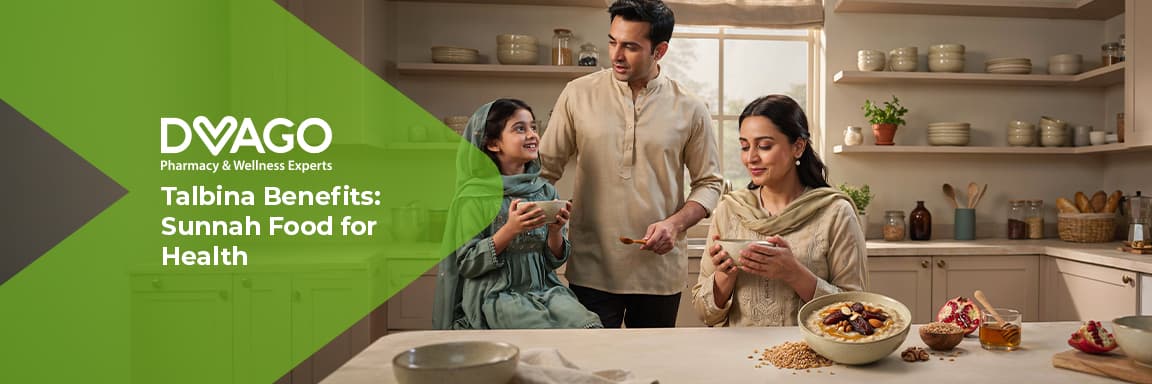
Talbina Benefits: Sunnah Food For Health
Talbina is one of the most well-known traditional foods in Islamic history and is often referred to as a Sunnah food because it is mentioned in authentic Hadith. Made primarily from barley flour, milk or water, and sometimes sweetened with honey, talbina has been valued for centuries as a nourishing, comforting, and easy-to-digest meal.
Today, talbina is gaining popularity not only for its religious significance but also for its impressive nutritional profile. Rich in fiber, vitamins, minerals, and antioxidants, it may support heart health, digestion, weight management, and overall well-being when included as part of a balanced diet.
But what exactly is talbina? Is it really as healthy as many people believe? And who can benefit from adding it to their diet?
In this guide, we'll explore the health benefits of talbina, its nutritional value, how to prepare it, possible side effects, and why it continues to be considered one of the healthiest traditional foods.
What Is Talbina?
Talbina is a soft porridge traditionally made from barley flour cooked with milk or water until it reaches a creamy consistency. It is often sweetened with honey and may be flavored with cinnamon, dates, or nuts.
The name "Talbina" comes from the Arabic word "laban" (milk) because of its smooth, milk-like appearance.
It is commonly eaten:
As a healthy breakfast
During illness or recovery
As a light dinner
During Ramadan for Suhoor or Iftar
As a nutritious meal for older adults
Its simple ingredients make it both nourishing and easy to digest.
Talbina in the Sunnah
Talbina holds a special place in Islamic tradition.
According to authentic Hadith, Talbina was recommended as a comforting food and was served to people who were unwell or grieving.
It is narrated that Aisha (RA) said that the Prophet Muhammad recommended Talbina because it comforts the heart and provides nourishment. While this spiritual significance makes Talbina meaningful for many Muslims, its health benefits are also supported by the nutritional value of barley.
Nutritional Value of Talbina
Since talbina is made primarily from barley, it contains several important nutrients.
It is a good source of:
Dietary fiber
Complex carbohydrates
Plant-based protein
Magnesium
Selenium
Phosphorus
Potassium
B Vitamins
When prepared with milk, it also provides calcium, vitamin D (if fortified), and additional protein.
Its combination of fiber and nutrients makes it a filling and wholesome meal.
10 Health Benefits of Talbina
1. Supports Digestive Health
One of the biggest health benefits of talbina is its high fiber content.
Barley contains soluble fiber, particularly beta-glucan, which supports healthy digestion.
Regular consumption may help:
Prevent constipation
Promote regular bowel movements
Support beneficial gut bacteria
Improve overall digestive health
Adequate water intake further enhances the benefits of dietary fiber.
2. Supports Heart Health
Beta-glucan fiber found in barley has been widely studied for its role in supporting healthy cholesterol levels.
As part of a heart-healthy diet, talbina may help:
Support healthy LDL (bad) cholesterol levels
Promote healthy blood circulation
Contribute to cardiovascular wellness
For maximum heart health benefits, combine talbina with regular exercise and a balanced diet.
3. Provides Long-Lasting Energy
Talbina contains complex carbohydrates that release energy gradually.
Unlike sugary breakfasts that may cause energy crashes, talbina provides steady energy throughout the day.
It can be particularly useful for:
Students
Office workers
Older adults
Athletes
People recovering from illness
4. Helps You Feel Full Longer
The fiber and protein in talbina increase satiety.
This may help:
Reduce unnecessary snacking
Support portion control
Assist healthy weight management
Although talbina is nutritious, portion control remains important for overall calorie balance.
5. May Support Healthy Blood Sugar Levels
Because barley contains soluble fiber, it may slow the digestion and absorption of carbohydrates.
This may contribute to:
More gradual increases in blood sugar after meals
Improved fullness
Better overall blood sugar management
People with diabetes can often enjoy talbina as part of a balanced meal plan, but they should avoid adding excessive sugar or honey and monitor portion sizes.
6. Supports Bone Health
When prepared with milk, talbina provides nutrients that contribute to strong bones.
These include:
Calcium
Phosphorus
Magnesium
Protein
Healthy bones also require adequate vitamin D and regular weight-bearing exercise.
7. Rich in Important Vitamins and Minerals
Talbina supplies several nutrients involved in normal body functions.
These include:
Iron
Zinc
Selenium
Magnesium
Potassium
B vitamins
These nutrients help support energy production, immune function, muscle health, and overall wellness.
8. Easy to Digest
Because talbina has a soft, smooth consistency, it is often easier to digest than many solid foods.
It may be suitable for:
Older adults
People recovering from illness
Individuals with reduced appetite
Those seeking a light yet nourishing meal
However, anyone with specific digestive disorders should follow their healthcare provider's dietary advice.
9. May Support Emotional Well-Being
Talbina is traditionally regarded as a comforting food, particularly during times of illness or grief. Its warm texture and nourishing ingredients can make it a soothing meal that promotes comfort and relaxation.
While no food can treat depression or anxiety, eating balanced, nutritious meals is an important part of supporting overall mental and emotional well-being.
10. A Simple and Affordable Superfood
One of talbina's greatest advantages is its simplicity.
Made from just a few wholesome ingredients, it is:
Affordable
Easy to prepare
Nutritious
Suitable for most age groups
Versatile enough to enjoy at any time of day
Its accessibility makes it an excellent addition to a healthy lifestyle.
Is Talbina Good for Weight Loss?
Talbina may support weight management because its fiber and protein help increase feelings of fullness.
It can reduce the temptation to snack between meals and may contribute to a lower overall calorie intake.
However, weight loss depends on maintaining a calorie deficit through balanced eating and regular physical activity.
Avoid adding large amounts of sugar or sweeteners if your goal is weight management.
Is Talbina Good for People with Diabetes?
Talbina can be a healthier breakfast option than refined cereals because barley contains soluble fiber that slows carbohydrate digestion.
To make it more diabetes-friendly:
Prepare it without added sugar.
Use low-fat milk if appropriate.
Add nuts or seeds for healthy fats.
Watch portion sizes.
People with diabetes should consult their healthcare provider or dietitian for personalized dietary advice.
How to Make Talbina
A simple talbina recipe includes:
Ingredients:
2 tablespoons barley flour
1 cup milk or water
1 teaspoon honey (optional)
Cinnamon (optional)
Chopped dates or nuts (optional)
Method:
Mix the barley flour with a little cold water or milk to prevent lumps.
Heat the remaining milk or water in a saucepan.
Add the barley mixture while stirring continuously.
Cook over low heat for about 5–10 minutes until it thickens.
Add honey, cinnamon, or chopped nuts if desired.
Serve warm as a wholesome breakfast or light meal.
Are There Any Side Effects?
Talbina is generally safe for most people.
However, some individuals should be cautious:
People with celiac disease or gluten intolerance should avoid traditional barley-based talbina because barley naturally contains gluten.
Eating very large portions may cause bloating in some individuals due to its high fiber content.
Those with allergies to barley should avoid it.
Introducing fiber gradually and drinking plenty of water can help minimize digestive discomfort.
Who Can Benefit from Talbina?
Talbina is suitable for many people, including:
Children
Adults
Older adults
Students
Working professionals
Athletes
Individuals recovering from illness
Because it is nutritious and filling, it can be enjoyed as part of a balanced diet throughout life.
Healthy Living Essentials Available at Dvago
Nutritious foods like talbina can support overall wellness, but maintaining good health also involves meeting your daily nutritional needs. Dvago offers a wide selection of authentic health and wellness products, including multivitamins, nutritional supplements, protein supplements, digestive health products, immunity support products, and other healthcare essentials from trusted brands.
Whether you're focusing on healthier eating, improving your nutrition, or supporting your family's well-being, Dvago provides convenient access to quality healthcare products to complement a balanced lifestyle.
Always consult a healthcare professional before starting new supplements, especially if you have diabetes, kidney disease, or other chronic health conditions.
Frequently Asked Questions
Can I eat talbina every day?
Yes. For most healthy adults, talbina can be enjoyed regularly as part of a balanced diet. Just pay attention to portion sizes and avoid excessive added sugar.
Is talbina suitable for children?
Yes. Talbina can be a nutritious meal for children when prepared with appropriate ingredients. Parents should avoid adding excessive sweeteners and ensure the child's diet remains balanced.
Can pregnant women eat talbina?
In most cases, yes. Talbina provides fiber and essential nutrients that can be part of a healthy pregnancy diet. However, pregnant women should consult their healthcare provider regarding their individual nutritional needs.
Is talbina gluten-free?
No. Traditional talbina is made from barley, which naturally contains gluten. It is not suitable for people with celiac disease or gluten intolerance.
Final Thoughts
Talbina is more than just a traditional recipe—it is a nourishing Sunnah food that has stood the test of time. Made from wholesome barley, it provides fiber, protein, vitamins, and minerals that support digestion, heart health, sustained energy, and overall wellness. Its comforting nature and ease of preparation make it suitable for people of all ages.
While talbina offers many nutritional benefits, it is not a cure for any disease. The best results come from enjoying it as part of a balanced diet, regular physical activity, adequate hydration, and a healthy lifestyle. Whether you prepare it for breakfast, as a light dinner, or during Ramadan, talbina is a simple yet nutritious addition to your daily routine that combines traditional wisdom with modern nutritional value.