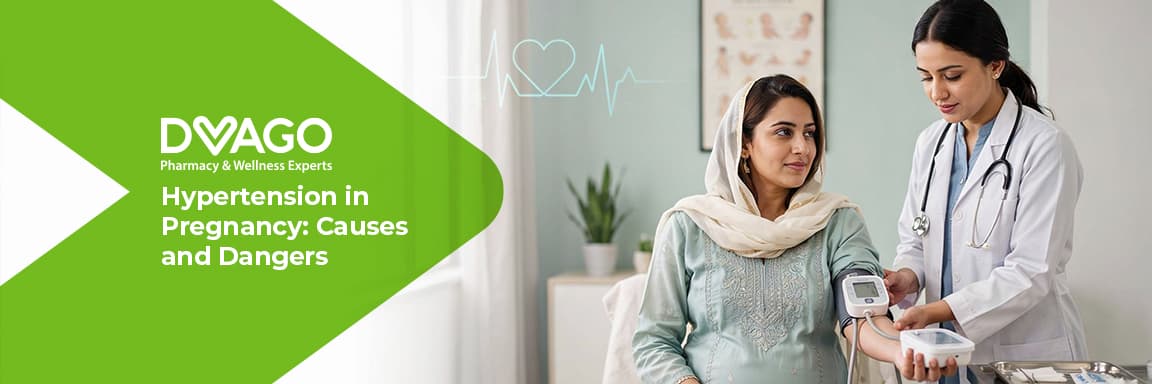
Hypertension In Pregnancy: Causes, Symptoms, Risks, And Dangers
Hypertension, or high blood pressure, is one of the most common medical conditions that can affect pregnancy. While many women have healthy pregnancies, some may develop high blood pressure before or during pregnancy, increasing the risk of complications for both the mother and the baby.
According to healthcare experts, hypertensive disorders affect approximately 5–10% of pregnancies worldwide and are among the leading causes of maternal and newborn complications. The good news is that with early diagnosis, regular prenatal care, and proper management, many women with hypertension go on to have healthy pregnancies and healthy babies.
In this article, we'll discuss the different types of hypertension during pregnancy, its causes, symptoms, potential dangers, treatment options, and ways to reduce the risk of complications.
What Is Hypertension in Pregnancy?
Hypertension in pregnancy refers to blood pressure that is consistently higher than normal during pregnancy.
A normal blood pressure reading is generally below 120/80 mmHg.
Pregnant women are usually considered to have hypertension if their blood pressure is consistently 140/90 mmHg or higher on two separate readings taken several hours apart.
High blood pressure can affect blood flow to the placenta, reducing the oxygen and nutrients delivered to the baby. It can also increase the mother's risk of serious health problems if left untreated.
Types of Hypertension During Pregnancy
There are several types of hypertension that can occur during pregnancy.
1. Chronic Hypertension
Chronic hypertension refers to high blood pressure that:
Was present before pregnancy
Develops before 20 weeks of pregnancy
Continues after childbirth
Women with chronic hypertension require close monitoring throughout pregnancy because they have a higher risk of pregnancy complications.
2. Gestational Hypertension
Gestational hypertension develops after 20 weeks of pregnancy in women who previously had normal blood pressure.
Unlike preeclampsia, gestational hypertension usually does not involve protein in the urine or signs of organ damage.
However, it can progress to preeclampsia if not carefully monitored.
3. Preeclampsia
Preeclampsia is a serious pregnancy complication characterized by:
High blood pressure
Protein in the urine
Signs of damage to organs such as the liver or kidneys
It usually develops after the 20th week of pregnancy and requires immediate medical attention.
4. Chronic Hypertension with Superimposed Preeclampsia
Some women with chronic hypertension later develop preeclampsia during pregnancy.
This condition carries a higher risk of complications and requires specialized obstetric care.
What Causes Hypertension During Pregnancy?
The exact cause depends on the type of hypertension, but several factors can increase the risk.
Possible causes and risk factors include:
First pregnancy
Family history of hypertension or preeclampsia
Carrying twins or multiple babies
Maternal age over 35 years
Autoimmune disorders
Chronic high blood pressure before pregnancy
In preeclampsia, abnormal development of the placenta is believed to play a significant role.
Symptoms of Hypertension in Pregnancy
High blood pressure itself may not always cause noticeable symptoms, which is why regular prenatal checkups are essential.
However, some women may experience:
Persistent headaches
Blurred vision
Seeing flashing lights or spots
Swelling of the face, hands, or feet
Sudden weight gain
Shortness of breath
Dizziness
Chest discomfort
Pain in the upper right abdomen
Nausea or vomiting after mid-pregnancy
These symptoms may indicate preeclampsia or another serious complication and should never be ignored.
Why Is Hypertension Dangerous During Pregnancy?
Uncontrolled hypertension can affect both the mother and the baby.
For the mother, it increases the risk of:
Stroke
Heart problems
Kidney damage
Liver damage
Placental abruption (when the placenta separates from the uterus too early)
Seizures (eclampsia)
Excessive bleeding after delivery
For the baby, hypertension may lead to:
Reduced oxygen and nutrient supply
Slow growth inside the womb (fetal growth restriction)
Low birth weight
Premature birth
Breathing difficulties after birth
Increased need for neonatal intensive care
Early diagnosis significantly reduces these risks.
Preeclampsia: A Medical Emergency
Preeclampsia is one of the most serious complications associated with pregnancy-related hypertension.
In addition to high blood pressure, it can affect:
Brain
Kidneys
Liver
Blood clotting system
Placenta
If untreated, preeclampsia may progress to eclampsia, a life-threatening condition that causes seizures during pregnancy or shortly after delivery.
Seek immediate medical attention if symptoms such as severe headache, vision changes, severe abdominal pain, or seizures occur.
How Is Hypertension Diagnosed During Pregnancy?
Healthcare providers monitor blood pressure at every prenatal visit.
Additional tests may include:
Urine tests to check for protein
Blood tests to assess kidney and liver function
Ultrasound to monitor baby's growth
Doppler studies to evaluate blood flow to the placenta
Non-stress test (NST) to monitor fetal well-being
Regular monitoring helps detect complications early.
Treatment for Hypertension During Pregnancy
Treatment depends on the severity and type of hypertension.
Lifestyle Measures
For mild cases, doctors may recommend:
Regular prenatal checkups
Adequate hydration
Moderate physical activity (if approved)
Reducing excess salt intake when advised
Managing stress
Getting enough rest
Medications
Some women require blood pressure medication during pregnancy.
Doctors prescribe medications that are considered safer during pregnancy while avoiding drugs that may harm the baby.
Never start, stop, or change blood pressure medication without consulting your healthcare provider.
Can Hypertension Affect Baby's Growth?
Yes. When blood pressure remains high, the placenta may not receive enough blood.
This can result in:
Reduced oxygen supply
Slower fetal growth
Smaller birth weight
Increased risk of premature delivery
Regular ultrasound examinations help monitor the baby's development.
Can Hypertension Cause Early Delivery?
Sometimes.
If hypertension becomes severe or preeclampsia develops, healthcare providers may recommend early delivery to protect both mother and baby.
The timing depends on:
Weeks of pregnancy
Baby's growth
Mother's condition
Severity of hypertension
The goal is always to balance the baby's maturity with the mother's safety.
Tips to Help Manage Blood Pressure During Pregnancy
Although not all cases can be prevented, healthy habits may reduce the risk of complications.
These include:
Attend all prenatal appointments
Monitor blood pressure if advised
Eat a balanced diet rich in fruits, vegetables, whole grains, and lean proteins
Stay physically active with your doctor's approval
Avoid smoking and alcohol
Stay hydrated
Get enough sleep
Take prescribed medications exactly as directed
Never ignore unusual symptoms during pregnancy.
Pregnancy Nutrition and Blood Pressure
Good nutrition plays an important role in supporting maternal health.
A healthy pregnancy diet should include:
Fresh fruits
Vegetables
Whole grains
Lean protein
Healthy fats
Calcium-rich foods
Iron-rich foods
Women should also take prenatal vitamins and supplements only as prescribed by their healthcare provider.
Pregnancy Supplements Available at Dvago
Along with regular prenatal care and a healthy lifestyle, many pregnant women are advised by their healthcare providers to take prenatal vitamins, iron supplements, calcium, folic acid, and other pregnancy-supportive products.
Dvago offers a wide range of authentic maternal health products, pregnancy supplements, prenatal vitamins, blood pressure monitoring devices, and everyday healthcare essentials from trusted brands. Whether you're looking for doctor-recommended nutritional supplements or wellness products during pregnancy, Dvago provides convenient access to quality healthcare products to help support your pregnancy journey.
Always consult your obstetrician before starting any supplement or medication during pregnancy.
When Should You Contact Your Doctor Immediately?
Seek urgent medical care if you experience:
Severe headache that doesn't improve
Blurred vision or flashing lights
Severe swelling of the face or hands
Persistent upper abdominal pain
Difficulty breathing
Heavy vaginal bleeding
Reduced fetal movements
Seizures
Blood pressure readings of 140/90 mmHg or higher, especially if accompanied by symptoms
Prompt medical attention can prevent serious complications.
Final Thoughts
Hypertension during pregnancy is a serious condition that requires careful monitoring, but it does not always lead to poor outcomes. With regular prenatal care, healthy lifestyle habits, early diagnosis, and appropriate treatment, many women with high blood pressure have safe pregnancies and healthy babies.
Understanding the causes, recognizing the warning signs, and attending routine prenatal appointments are essential for protecting both maternal and fetal health. Never ignore symptoms such as severe headaches, vision changes, swelling, or persistent high blood pressure, as they may indicate a medical emergency like preeclampsia.
If you have concerns about your blood pressure during pregnancy, consult your healthcare provider promptly. Early intervention is the best way to reduce risks and ensure the healthiest possible outcome for both you and your baby.