
Folic Acid Benefits During Pregnancy In Pakistan
Pregnancy is an exciting and life-changing journey that comes with increased nutritional needs for both the mother and the developing baby. Among the many essential nutrients required during pregnancy, folic acid stands out as one of the most important. Healthcare professionals around the world recommend that women begin taking folic acid before conception and continue during the early stages of pregnancy to support healthy fetal development.
In Pakistan, awareness about prenatal nutrition is steadily improving, yet many women still begin taking folic acid only after confirming their pregnancy. Since some of the baby's most important developmental stages occur within the first few weeks often before a woman even realizes she is pregnant starting folic acid early can play a vital role in supporting a healthy pregnancy.
This article explores the benefits of folic acid during pregnancy, when to start taking it, recommended daily intake, natural food sources, and why it is an essential part of prenatal care. We'll also discuss how expecting mothers in Pakistan can access quality folic acid supplements from trusted pharmacies.
What Is Folic Acid?
Folic acid is the synthetic form of folate, a B vitamin (Vitamin B9) that helps the body produce healthy red blood cells and supports the formation of DNA, the genetic material found in every cell.
During pregnancy, folic acid becomes even more important because the baby's cells divide rapidly as organs, tissues, and the nervous system develop.
Although folate occurs naturally in many foods, it can be difficult to obtain the recommended amount through diet alone. This is why healthcare providers commonly recommend folic acid supplements for women who are planning to conceive or are already pregnant.
Why Is Folic Acid Important During Pregnancy?
Folic acid plays a critical role in the earliest stages of fetal development.
One of its primary functions is supporting the proper formation of the neural tube, which later develops into the baby's brain and spinal cord. The neural tube forms within the first month of pregnancy, making early supplementation particularly important.
Adequate folic acid intake also supports the healthy growth of the placenta and contributes to the production of new maternal blood cells needed during pregnancy.
Major Benefits of Folic Acid During Pregnancy
1. Supports Healthy Brain and Spinal Cord Development
One of the most well-known benefits of folic acid is its role in supporting normal neural tube development.
Adequate folic acid intake before conception and during early pregnancy significantly lowers the risk of neural tube defects, which affect the developing brain and spinal cord.
This is one of the main reasons healthcare professionals encourage women to begin supplementation even before becoming pregnant.
2. Supports Healthy Cell Growth
Pregnancy involves rapid cell division for both mother and baby.
Folic acid supports healthy cell production and DNA synthesis, helping tissues and organs develop properly throughout pregnancy.
3. Helps Produce Healthy Red Blood Cells
Pregnant women require more blood to support their growing baby.
Folic acid contributes to healthy red blood cell production, helping meet the body's increased demands during pregnancy. Maintaining adequate folate levels is one part of supporting healthy blood formation.
4. Supports Placental Development
The placenta supplies oxygen and nutrients to the developing baby.
Proper folate intake contributes to healthy placental growth and function, supporting fetal development throughout pregnancy.
5. Supports Healthy Pregnancy Outcomes
A balanced prenatal diet that includes adequate folic acid, along with other essential nutrients, contributes to overall maternal and fetal health.
Combined with regular prenatal checkups and a healthy lifestyle, folic acid is an important component of routine pregnancy care.
6. Supports Maternal Health
Folic acid isn't only beneficial for the baby.
It also helps support the mother's nutritional needs during pregnancy by contributing to normal cell function and healthy blood formation.
When Should Women Start Taking Folic Acid?
Healthcare professionals generally recommend beginning folic acid supplementation before conception whenever possible.
Ideally:
Start at least one month before trying to conceive.
Continue through the first trimester.
Follow your healthcare provider's advice regarding supplementation later in pregnancy.
Since many pregnancies are unplanned, women of childbearing age who may become pregnant are often advised to maintain adequate folic acid intake.
Recommended Daily Intake
For most women planning pregnancy or who are pregnant, healthcare professionals commonly recommend 400 micrograms (mcg) of folic acid daily, although individual requirements can vary based on medical history and other factors.
Some women with specific health conditions or previous pregnancy complications may require higher doses under medical supervision.
Never increase your dosage without consulting your doctor.
Natural Food Sources of Folate
Although supplements are important, eating folate-rich foods can further support a healthy pregnancy.
Good dietary sources include:
Spinach
Broccoli
Lentils
Chickpeas
Beans
Oranges
Avocados
Asparagus
Peas
Fortified cereals
A balanced diet combined with appropriate supplementation provides the best nutritional support.
Signs of Folate Deficiency
Low folate levels may contribute to symptoms such as:
Fatigue
Weakness
Pale skin
Poor concentration
Mouth ulcers
Irritability
These symptoms can have many causes, so proper medical evaluation is important.
Who May Need Extra Attention?
Some women may have an increased risk of folate deficiency, including those who:
Have poor dietary intake
Experience severe morning sickness
Have digestive disorders affecting nutrient absorption
Are carrying multiple babies
Have certain medical conditions affecting folate metabolism
Your healthcare provider can determine the most appropriate supplementation plan.
Recommended Folic Acid Supplements Available at Dvago
Choosing a high-quality folic acid supplement is an important part of prenatal care. At Dvago, one of Pakistan's trusted pharmacy chains, expecting mothers can find a variety of genuine folic acid supplements recommended by healthcare professionals. Always consult your doctor before selecting a supplement that best suits your pregnancy needs.
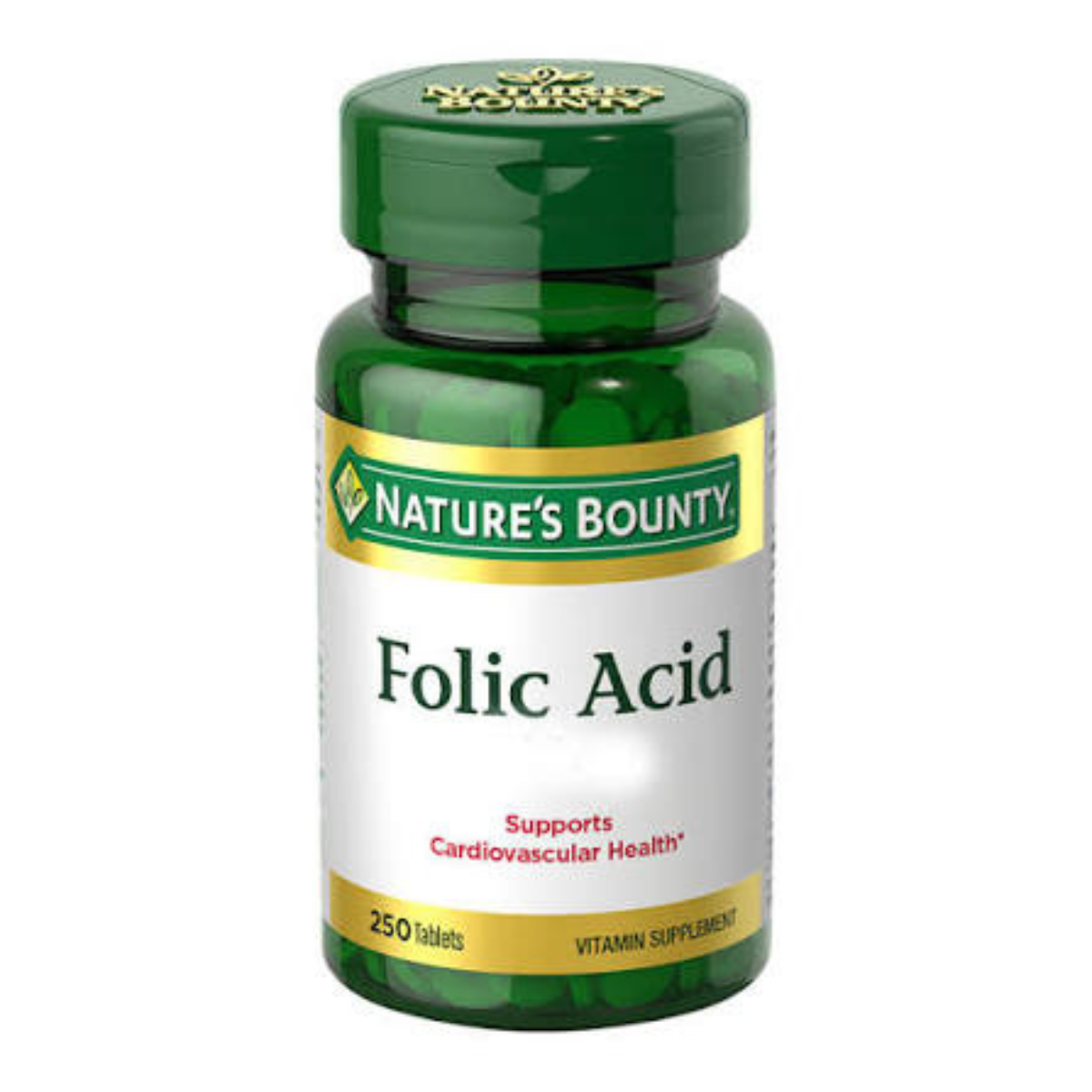
Nature's Bounty Folic Acid Tablets 400mcg
Nature's Bounty Folic Acid Tablets 400mcg are formulated to help women meet their daily folic acid requirements before and during pregnancy. Providing 400mcg of folic acid per tablet, they support healthy fetal development and normal cell growth. These tablets are easy to incorporate into a daily prenatal routine and are a suitable choice for women planning pregnancy or those in the early stages of pregnancy, as advised by their healthcare provider.
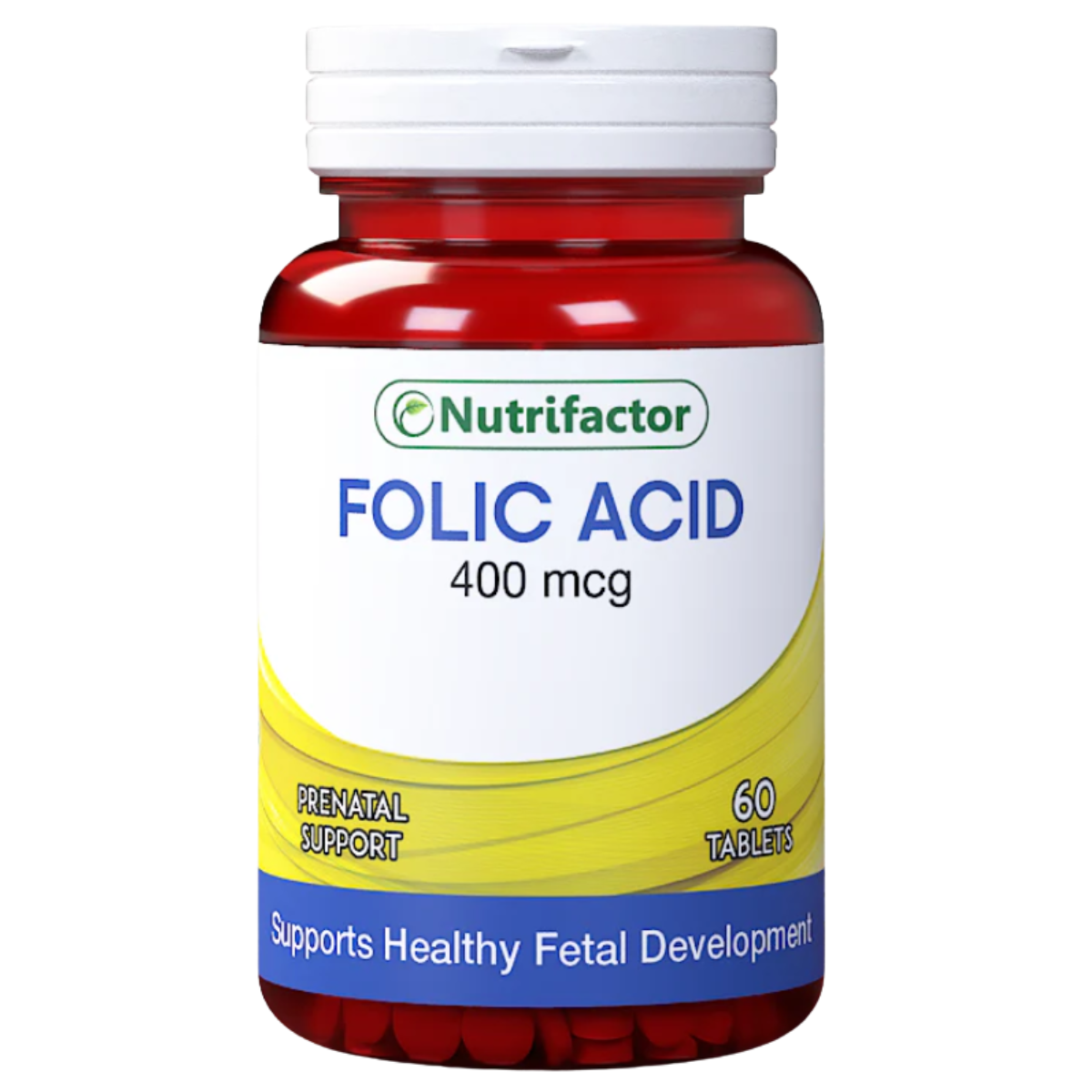
Nutrifactor Folic Acid Tablets 400mcg
Nutrifactor Folic Acid Tablets 400mcg are another popular option available at Dvago. They provide the recommended daily amount of folic acid for many women and help support normal blood formation and healthy fetal neural tube development when taken before conception and during early pregnancy. Manufactured according to quality standards, they are widely chosen by women looking for reliable prenatal nutritional support.
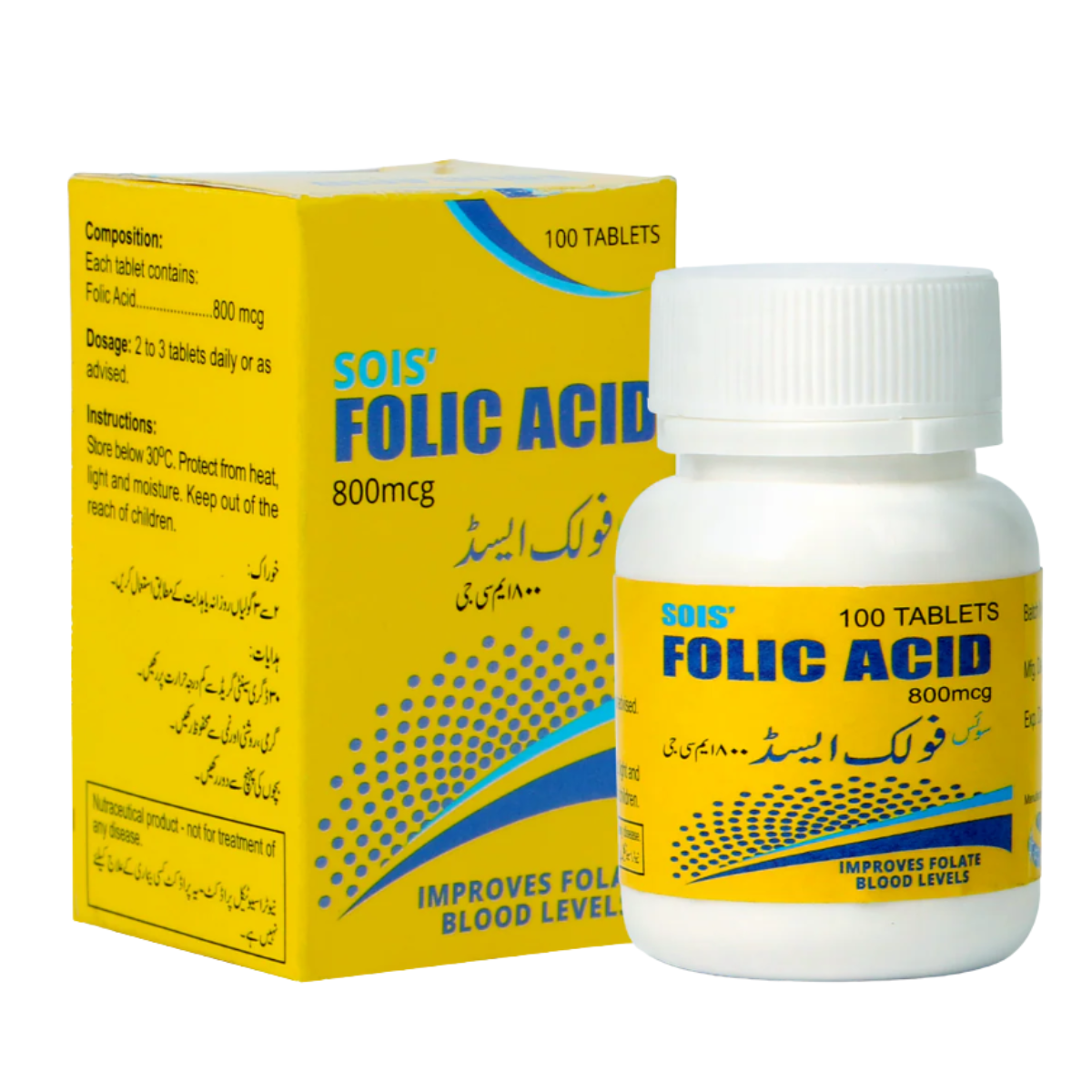
SOIS Folic Acid Tablet
SOIS Folic Acid Tablet is also available at Dvago for women seeking a dependable folic acid supplement. It helps support the increased folate requirements during pregnancy and contributes to healthy cell division and DNA synthesis. When used under the guidance of a healthcare professional, SOIS Folic Acid Tablet can be an important addition to a balanced prenatal nutrition plan.
Regardless of which supplement you choose, it is important to follow your doctor's recommendations regarding dosage and duration. Purchasing supplements from a trusted pharmacy like Dvago also helps ensure that you receive genuine products stored according to recommended standards.
Tips for Taking Folic Acid
To get the most from your supplement:
Take it at the same time each day.
Follow the dosage recommended by your healthcare provider.
Continue attending regular prenatal appointments.
Maintain a healthy, balanced diet.
Stay hydrated.
Inform your doctor about any other supplements or medications you are taking.
Consistency is important, especially during the early weeks of pregnancy.
Common Myths About Folic Acid
Myth 1: Healthy Eating Alone Is Always Enough
While folate-rich foods are beneficial, many women find it difficult to consistently obtain the recommended amount from diet alone. This is why supplementation is commonly advised before and during early pregnancy.
Myth 2: You Only Need Folic Acid After Confirming Pregnancy
The baby's neural tube develops very early in pregnancy, often before a woman realizes she is pregnant. Starting folic acid before conception provides support during this critical period.
Myth 3: Taking More Is Better
More is not necessarily better. Taking higher doses without medical advice is not recommended. Always follow your healthcare provider's guidance.
Myth 4: Folic Acid Is Only Important in Early Pregnancy
Although folic acid is particularly important before conception and during the first trimester, your healthcare provider may recommend continuing supplementation later in pregnancy as part of your prenatal nutrition plan.
Supporting a Healthy Pregnancy Beyond Folic Acid
While folic acid is essential, it works best as part of an overall healthy lifestyle.
Expecting mothers should also focus on:
Eating a nutritious and varied diet.
Staying physically active as advised by their healthcare provider.
Drinking enough water.
Getting adequate sleep.
Attending regular prenatal checkups.
Avoiding smoking and alcohol.
Managing stress through healthy coping strategies.
Good prenatal care supports both maternal and fetal health throughout pregnancy.
Why Buying Genuine Supplements Matters
Not all supplements are manufactured to the same quality standards. Purchasing products from a reputable pharmacy helps ensure authenticity and proper storage conditions.
Many families in Pakistan choose Dvago for healthcare essentials because it offers a wide selection of genuine medicines, vitamins, and wellness products. Whether you're looking for Nature's Bounty Folic Acid Tablets 400mcg, Nutrifactor Folic Acid Tablets 400mcg, or SOIS Folic Acid Tablet, obtaining them from a trusted pharmacy provides added confidence in product quality. Always check packaging, expiry dates, and follow your healthcare provider's recommendations when selecting any prenatal supplement.
When to Speak With Your Doctor
Consult your healthcare provider if you:
Are you planning a pregnancy?
Have recently discovered you are pregnant.
Have had a previous pregnancy affected by a neural tube defect.
Have chronic medical conditions.
Are taking medications that may affect folate levels.
Are unsure which supplement is right for you.
Regular prenatal care helps ensure that both mother and baby receive appropriate nutritional support throughout pregnancy.
Conclusion
Folic acid is one of the most important nutrients for women planning a pregnancy and those who are already expecting. It supports healthy fetal development, contributes to normal cell growth and healthy blood formation, and plays a crucial role during the earliest stages of pregnancy. Because the baby's brain and spinal cord begin developing very early, starting folic acid before conception or as soon as pregnancy is confirmed is widely recommended.
In Pakistan, maintaining a balanced diet alongside a healthcare provider-recommended folic acid supplement can help support a healthy pregnancy. Trusted pharmacies such as Dvago make it convenient to access genuine products, including Nature's Bounty Folic Acid Tablets 400mcg, Nutrifactor Folic Acid Tablets 400mcg, and SOIS Folic Acid Tablet. Remember that every pregnancy is unique, so always consult your doctor before starting or changing any supplement to ensure it meets your individual health needs. Prioritizing proper prenatal nutrition today can contribute to a healthier pregnancy journey for both mother and baby.