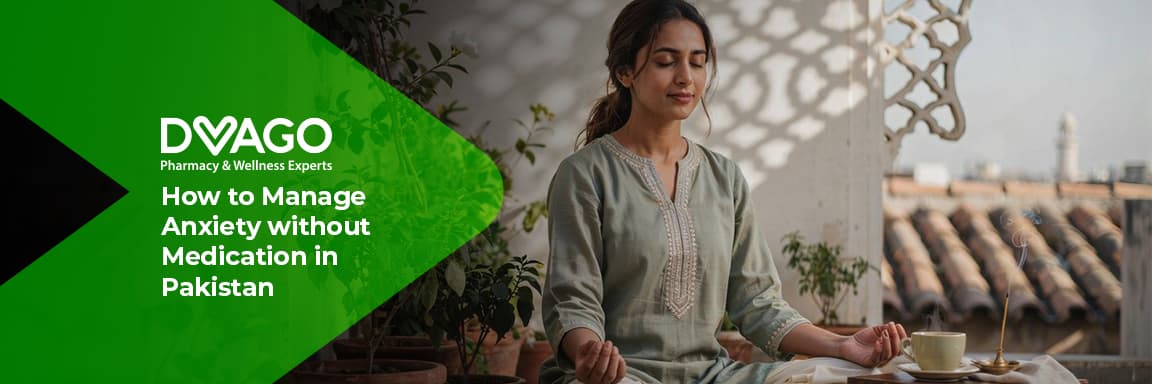
How To Manage Anxiety Without Medication In Pakistan
Anxiety is one of the most common mental health challenges affecting people worldwide, and Pakistan is no exception. Whether it's worrying about finances, work pressure, academic stress, family responsibilities, health concerns, or uncertainty about the future, anxiety can significantly impact daily life. While feeling anxious occasionally is a normal response to stressful situations, persistent anxiety that interferes with everyday activities deserves attention.
Many people assume that medication is the only solution for anxiety. However, mild to moderate anxiety can often be managed through healthy lifestyle changes, stress-management techniques, and professional psychological support. Even for individuals who require medication, these natural approaches can complement treatment and improve overall well-being.
In Pakistan, conversations around mental health are gradually becoming more common, but stigma still prevents many people from seeking help. Fortunately, there are several practical and evidence-based ways to manage anxiety without medication. These strategies can help reduce stress, improve emotional resilience, and support better mental health over time.
This article explores natural methods to manage anxiety, explains when professional help may be needed, and offers practical tips specifically relevant to people living in Pakistan.
Understanding Anxiety
Anxiety is the body's natural response to stress or perceived danger. It prepares us to react quickly in challenging situations. However, when anxiety becomes excessive, constant, or disproportionate to the situation, it can interfere with work, relationships, education, and physical health.
People experiencing anxiety may notice symptoms such as:
Constant worrying
Racing thoughts
Restlessness
Difficulty concentrating
Rapid heartbeat
Muscle tension
Sweating
Trouble sleeping
Irritability
Feeling overwhelmed
While these symptoms can be distressing, they are manageable with the right strategies and support.
Why Anxiety Is Common in Pakistan
Several factors contribute to rising anxiety levels among Pakistani adults and young people.
These include:
Financial uncertainty
Rising cost of living
Academic competition
Workplace stress
Family expectations
Social pressure
Health concerns
Relationship difficulties
Traffic and long commuting hours
Political and economic uncertainty
These everyday challenges can increase stress, making it important to develop healthy coping mechanisms.
Can Anxiety Be Managed Without Medication?
Yes, in many cases it can.
People experiencing mild or moderate anxiety often benefit from lifestyle changes, counseling, mindfulness practices, and stress-management techniques. However, severe anxiety disorders may require evaluation by a qualified mental health professional, who can determine whether medication, therapy, or a combination of both is appropriate.
The key is understanding that everyone's experience with anxiety is different, and there is no one-size-fits-all solution.
1. Practice Deep Breathing Exercises
One of the quickest ways to calm anxiety is through controlled breathing.
When people become anxious, breathing often becomes shallow and rapid, which can worsen symptoms.
Try this simple breathing exercise:
Inhale slowly through your nose for four seconds.
Hold your breath for four seconds.
Exhale gently through your mouth for six seconds.
Repeat for five to ten minutes.
Deep breathing activates the body's relaxation response and can help reduce feelings of panic.
2. Stay Physically Active
Exercise is one of the most effective natural ways to reduce anxiety.
Physical activity releases endorphins, improves mood, reduces muscle tension, and promotes better sleep.
You don't need an expensive gym membership.
Simple activities include:
Walking
Cycling
Jogging
Yoga
Stretching
Dancing
Home workouts
Aim for at least 30 minutes of moderate exercise most days of the week.
3. Improve Your Sleep Routine
Poor sleep and anxiety often reinforce one another.
To improve sleep:
Go to bed at the same time every night.
Avoid screens before bedtime.
Reduce caffeine in the evening.
Keep your bedroom cool and quiet.
Avoid heavy meals late at night.
Quality sleep helps regulate emotions and supports overall mental health.
4. Eat a Balanced Diet
What you eat can influence how you feel.
A nutritious diet supports brain health and helps maintain stable energy levels.
Focus on:
Fresh fruits
Vegetables
Whole grains
Lean proteins
Nuts and seeds
Plenty of water
Try to limit:
Excess sugar
Processed foods
Sugary drinks
Excess caffeine
A healthy diet alone won't eliminate anxiety, but it can contribute to better emotional well-being.
5. Reduce Caffeine Intake
Many people rely on tea, coffee, or energy drinks throughout the day.
While moderate caffeine intake is generally safe, too much caffeine can increase:
Nervousness
Restlessness
Racing heartbeat
Sleep problems
Anxiety symptoms
If you notice your anxiety worsening after caffeinated drinks, consider reducing your intake gradually.
6. Learn Mindfulness and Meditation
Mindfulness involves paying attention to the present moment without judgment.
It helps reduce excessive worrying about the future or dwelling on the past.
Simple mindfulness practices include:
Guided meditation
Body scan exercises
Mindful breathing
Observing your surroundings
Gratitude journaling
Even ten minutes a day can make a noticeable difference over time.
7. Spend Time With Supportive People
Strong social connections are protective against anxiety.
Talking openly with trusted friends or family members can reduce feelings of isolation.
Healthy relationships provide:
Emotional support
Practical advice
Encouragement
A sense of belonging
Avoid isolating yourself during stressful periods.
8. Limit Time on Social Media
Constant exposure to negative news, unrealistic comparisons, and endless scrolling can increase anxiety.
Try:
Setting screen-time limits
Taking regular digital breaks
Avoiding social media before bed
Following positive and educational content
Being intentional about online habits can improve mental well-being.
9. Manage Stress With Better Time Management
Feeling overwhelmed often contributes to anxiety.
Helpful strategies include:
Creating daily to-do lists
Prioritizing important tasks
Breaking large projects into smaller steps
Taking regular breaks
Avoiding procrastination
Better organization reduces unnecessary stress and improves productivity.
10. Practice Relaxation Techniques
Relaxation methods help calm both the mind and body.
Popular techniques include:
Progressive muscle relaxation
Gentle stretching
Listening to calming music
Spending time in nature
Reading
Creative hobbies such as painting or gardening
Find activities that help you unwind and make them part of your routine.
11. Challenge Negative Thoughts
Anxiety often leads to worst-case thinking.
Ask yourself:
Is this fear based on facts?
What evidence supports this thought?
What would I say to a friend experiencing the same worry?
Replacing catastrophic thinking with balanced perspectives can reduce anxious feelings.
12. Maintain a Daily Routine
A predictable schedule provides structure and reduces uncertainty.
Include time for:
Meals
Exercise
Work
Family
Rest
Hobbies
Even small routines can create a greater sense of control.
13. Spend Time Outdoors
Exposure to sunlight and green spaces has been linked to improved mood and lower stress levels.
Whether it's a walk in a local park, sitting in a garden, or spending time on your balcony, regular outdoor time can have a calming effect.
14. Avoid Unhealthy Coping Mechanisms
Some people try to cope with anxiety by overeating, smoking, or misusing alcohol or other substances. While these behaviors may provide temporary relief, they can worsen anxiety and create additional health problems over time.
Developing healthier coping strategies is more effective for long-term well-being.
15. Consider Professional Counseling
Managing anxiety without medication does not mean managing it alone.
Psychologists and licensed therapists can teach practical skills such as cognitive behavioral therapy (CBT), stress management, and relaxation techniques. Many people experience significant improvement through therapy without needing medication.
Seeking professional help is a proactive step toward better mental health.
The Importance of Self-Care
Self-care isn't selfish—it is essential.
Simple habits can support emotional health, including:
Drinking enough water
Taking regular breaks
Engaging in hobbies
Spending time with loved ones
Practicing gratitude
Making time for relaxation
Small, consistent actions often have a meaningful impact over time.
Supporting Your Overall Wellness
Managing anxiety naturally also involves taking care of your overall health. This may include maintaining a balanced diet, staying hydrated, exercising regularly, and using healthcare products recommended by qualified professionals. When purchasing vitamins, wellness products, or other everyday healthcare essentials, choosing a reliable pharmacy is important. Dvago, one of Pakistan's trusted pharmacy chains, offers a wide selection of genuine healthcare products and medicines, making it a convenient option for individuals and families. However, if anxiety symptoms become severe or persistent, it is essential to consult a qualified healthcare provider rather than relying solely on self-care or over-the-counter products.
When Should You Seek Professional Help?
Natural strategies can be highly effective, but they are not always enough.
You should consult a healthcare professional if anxiety:
Persists for several weeks or months
Interferes with work or studies
Affects relationships
Causes frequent panic attacks
Prevents normal daily functioning
Leads to ongoing sleep problems
Causes thoughts of self-harm or hopelessness
Early intervention often leads to better outcomes and can prevent symptoms from becoming more severe.
Common Myths About Anxiety
Myth 1: Anxiety Is Just Overthinking
Anxiety is a recognized mental health condition that involves emotional, physical, and cognitive symptoms. It is much more than simply worrying too much.
Myth 2: Strong People Don't Experience Anxiety
Anxiety can affect anyone, regardless of age, profession, or personality. Experiencing anxiety is not a reflection of weakness.
Myth 3: You Should Handle Anxiety Alone
Support from mental health professionals, family, and friends can make a significant difference in managing anxiety effectively.
Myth 4: Medication Is Always Necessary
While medication can be an important part of treatment for some individuals, many people successfully manage mild to moderate anxiety through therapy, lifestyle changes, and healthy coping strategies under professional guidance.
Conclusion
Anxiety is a common experience for many people in Pakistan, but it does not have to control your life. Building healthy daily habits, staying physically active, practicing mindfulness, improving sleep, maintaining supportive relationships, and seeking professional counseling when needed are all effective ways to manage anxiety without medication. These approaches not only help reduce anxiety symptoms but also promote long-term emotional resilience and overall well-being.
Everyone's journey with anxiety is different, and recovery takes time. If your symptoms persist or begin interfering with your daily life, reaching out to a qualified healthcare professional is an important step. With the right support, practical coping strategies, and consistent self-care, it is possible to reduce anxiety, improve your quality of life, and develop healthier ways to navigate life's challenges.