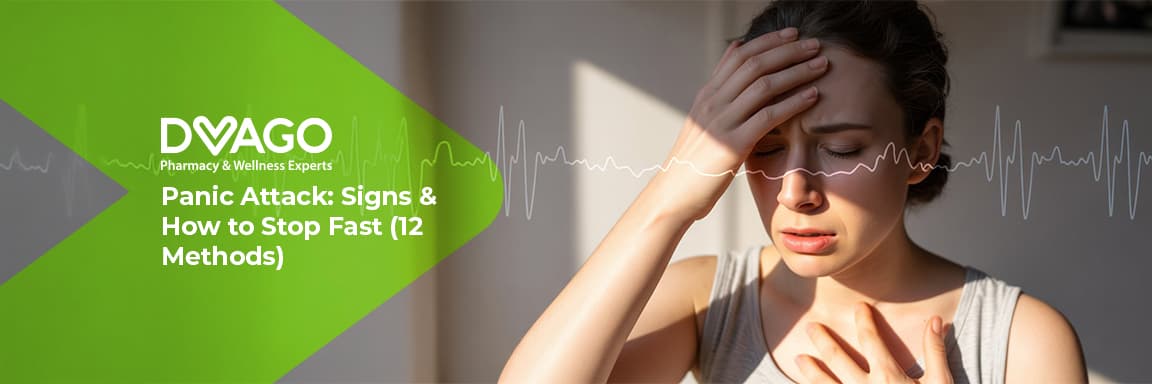
Panic Attack: Signs & How To Stop Fast (12 Effective Methods)
Panic attacks can be frightening, overwhelming, and often unexpected. For many people, the sudden rush of intense fear can feel like a medical emergency, causing symptoms that mimic a heart attack or other serious health conditions. While panic attacks are generally not physically dangerous, they can significantly impact a person's quality of life and emotional well-being.
Understanding the signs of a panic attack and knowing how to respond quickly can make a major difference in reducing its intensity and duration. Whether you experience panic attacks yourself or want to help someone else, learning practical coping strategies can provide a sense of control during a distressing moment.
In this guide, we'll explore the common signs of a panic attack, possible triggers, and 12 effective methods to help stop a panic attack quickly. We'll also discuss when professional help may be necessary and where you can find supportive healthcare resources through trusted pharmacies like Dvago.
What Is a Panic Attack?
A panic attack is a sudden episode of intense fear or discomfort that develops rapidly and reaches its peak within minutes. It can occur without warning or be triggered by specific situations, thoughts, or experiences.
During a panic attack, the body's fight-or-flight response becomes activated even when there is no immediate danger. This causes a surge of stress hormones that trigger physical and emotional symptoms.
Although panic attacks can be terrifying, they are not usually life-threatening. However, recurring panic attacks may indicate an underlying anxiety disorder that requires professional evaluation and treatment.
Common Signs of a Panic Attack
Panic attacks can affect people differently, but many experience a combination of physical and emotional symptoms.
Physical Symptoms
Common physical signs include:
Rapid heartbeat or palpitations
Chest pain or discomfort
Shortness of breath
Sweating
Trembling or shaking
Dizziness or lightheadedness
Chills or hot flashes
Tingling sensations in the hands or feet
Feeling weak or unsteady
Emotional Symptoms
Psychological symptoms often include:
Intense fear or terror
Feeling detached from reality
Fear of losing control
Fear of fainting
Fear of dying
Feeling trapped or helpless
Because these symptoms can be severe, many people mistakenly believe they are experiencing a heart attack or another serious medical condition.
What Causes Panic Attacks?
The exact cause of panic attacks is not always clear. However, several factors may contribute to their development.
Common triggers include:
Chronic stress
Anxiety disorders
Major life changes
Traumatic experiences
Sleep deprivation
Excessive caffeine consumption
Certain medications
Substance use or withdrawal
Family history of anxiety disorders
Understanding your personal triggers can help reduce the likelihood of future attacks.
How Long Does a Panic Attack Last?
Most panic attacks peak within 10 minutes and gradually subside within 20 to 30 minutes. However, some people may experience lingering anxiety or fatigue afterward.
Even though panic attacks are temporary, the experience can feel much longer due to the intensity of the symptoms.
The good news is that there are several techniques that can help reduce symptoms and promote a faster recovery.
12 Effective Methods to Stop a Panic Attack Fast
1. Focus on Your Breathing
Rapid breathing is one of the most common symptoms of a panic attack.
Try slow, controlled breathing by:
Inhaling through your nose for four seconds
Holding your breath for four seconds
Exhaling slowly through your mouth for six seconds
This technique helps calm the nervous system and reduce feelings of panic.
2. Remind Yourself That It Will Pass
During a panic attack, it can feel as though the symptoms will never end.
Gently remind yourself:
"This is a panic attack."
"I am safe."
"These feelings will pass."
Acknowledging what is happening can reduce fear and prevent symptoms from escalating further.
3. Use the 5-4-3-2-1 Grounding Technique
Grounding techniques help redirect your attention away from fearful thoughts.
Identify:
5 things you can see
4 things you can touch
3 things you can hear
2 things you can smell
1 thing you can taste
This exercise helps reconnect you with the present moment.
4. Relax Your Muscles
Panic attacks often cause muscle tension throughout the body.
Try consciously relaxing different muscle groups one at a time.
Start with your shoulders, jaw, hands, and legs, releasing tension slowly and deliberately.
5. Move to a Calm Environment
If possible, step away from crowded, noisy, or overstimulating environments.
A quieter setting can help reduce sensory overload and allow you to focus on calming techniques.
6. Challenge Catastrophic Thoughts
Panic attacks are often fueled by frightening thoughts.
Ask yourself:
Is there actual danger right now?
Have I experienced this before?
Did the symptoms pass last time?
Replacing catastrophic thinking with realistic thoughts can reduce panic intensity.
7. Practice Mindfulness
Mindfulness encourages awareness of the present moment without judgment.
Focus on:
Your breathing
Physical sensations
Surrounding sounds
Mindfulness can help interrupt the cycle of anxious thoughts that contribute to panic attacks.
8. Use a Comfort Object
Holding a familiar object can provide a sense of security and grounding.
Examples include:
A stress ball
A piece of jewelry
A small keepsake
A textured object
Physical touch can help anchor your attention during moments of distress.
9. Try Gentle Physical Activity
Light movement may help release nervous energy.
Consider:
Taking a short walk
Stretching
Practicing gentle yoga
Avoid strenuous exercise during an active panic attack if it worsens symptoms.
10. Limit Stimulants
Caffeine and energy drinks can increase heart rate and anxiety symptoms.
If you are prone to panic attacks, reducing stimulant intake may help lower the risk of future episodes.
11. Use Positive Visualization
Close your eyes and imagine a peaceful, safe place.
Visualize:
A quiet beach
A peaceful garden
A relaxing mountain view
Engaging your imagination can help shift focus away from panic and toward relaxation.
12. Reach Out for Support
Talking to someone you trust can provide reassurance and emotional support.
A friend, family member, or mental health professional can help you feel less isolated during a difficult moment.
Sometimes simply hearing a calm voice can help reduce panic symptoms.
What to Do After a Panic Attack
After a panic attack ends, it's common to feel exhausted, emotionally drained, or embarrassed.
Consider these recovery steps:
Drink water
Rest if needed
Practice self-care
Reflect on possible triggers
Avoid self-criticism
Remember that experiencing a panic attack does not mean you are weak or incapable. Many people experience panic attacks at some point in their lives.
When Should You Seek Professional Help?
Occasional panic attacks may not require medical treatment. However, professional help is recommended if:
Panic attacks occur frequently
Symptoms interfere with daily activities
You begin avoiding situations due to fear
Anxiety becomes difficult to manage
Symptoms significantly impact relationships or work
Mental health professionals can provide evidence-based treatments such as therapy, stress management techniques, and medication when appropriate.
Can Panic Attacks Be Prevented?
While prevention is not always possible, certain lifestyle habits may reduce the likelihood of panic attacks.
Helpful strategies include:
Maintaining regular sleep patterns
Managing stress effectively
Exercising regularly
Limiting caffeine and alcohol
Practicing relaxation techniques
Seeking support when needed
Developing healthy coping mechanisms can improve overall emotional resilience.
Supporting Your Mental Wellness with Dvago
Mental wellness is an important part of overall health. Access to trusted healthcare products and professional guidance can support individuals managing stress and anxiety.
Dvago offers a wide range of healthcare essentials, wellness products, vitamins, and pharmacy services designed to support everyday well-being. Whether you're looking for stress-management supplements, general wellness products, or healthcare guidance, Dvago provides convenient access to trusted solutions that help individuals prioritize their health.
By choosing reliable healthcare providers and pharmacies like Dvago, individuals can feel more confident in taking proactive steps toward their physical and emotional well-being.
Final Thoughts
Panic attacks can be intense and frightening, but understanding their signs and knowing how to respond can help you regain control more quickly. Recognizing symptoms early, practicing calming techniques, and using grounding methods can significantly reduce the severity of an attack.
The 12 methods discussed in this guide offer practical, accessible ways to manage panic attacks when they occur. While occasional panic attacks are common, frequent or severe episodes should be evaluated by a healthcare professional to ensure appropriate support and treatment.
Remember, panic attacks are temporary, and help is available. With the right strategies, support system, and healthcare resources, it is possible to manage anxiety effectively and improve your overall quality of life.