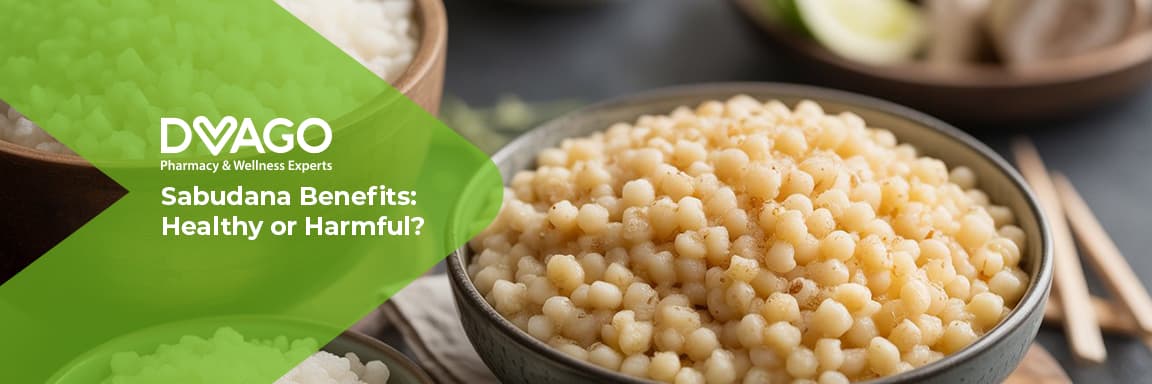
Sabudana Benefits: Healthy Or Harmful?
Sabudana, also known as tapioca pearls or sago, is a widely consumed food in South Asia, especially during fasting (vrat) days. It is made from the starch extracted from cassava roots and is known for its soft, chewy texture when cooked. Sabudana is commonly used in dishes like khichdi, kheer, vada, and porridge.
Despite being a popular energy food, sabudana often raises questions: Is it actually healthy, or is it just empty calories? The answer is not simple. Sabudana has both benefits and limitations depending on how and when it is consumed.
In this detailed guide, we will explore sabudana benefits, its nutritional value, possible drawbacks, and whether it is truly healthy or harmful.
What Is Sabudana?
Sabudana is a processed starch obtained from the roots of the cassava plant. The starch is shaped into small white pearls and then dried for cooking use.
It is:
High in carbohydrates
Low in fat
Low in protein
Gluten-free
Easily digestible
Because of its energy-rich nature, it is commonly used during fasting periods and as a quick energy source.
Nutritional Value of Sabudana
Sabudana is primarily made of carbohydrates.
Approximate nutrients include:
Carbohydrates (high)
Small amounts of calcium
Iron (very low)
Potassium (low)
Minimal fiber
Very low protein
Low fat
While it provides quick energy, it lacks essential micronutrients unless paired with other ingredients.
Sabudana Benefits: Why People Eat It
1. Provides Quick Energy
Sabudana is rich in carbohydrates, which makes it an instant energy source.
It helps:
Restore energy quickly
Reduce fatigue
Support fasting or long gaps between meals
This is why it is commonly consumed during religious fasting days.
2. Easy to Digest
Sabudana is very light on the stomach.
It is suitable for:
People recovering from illness
Individuals with digestive issues
Children and elderly (in moderation)
Because it is low in fiber and fat, it is easy to break down.
3. Gluten-Free Food Option
Sabudana is naturally gluten-free, making it suitable for:
People with gluten intolerance
Celiac disease patients
Gluten-free diet followers
It is often used as an alternative to wheat-based foods.
4. Helps During Fasting
Sabudana is a staple fasting food because it is:
Filling
Easy to prepare
Energy-rich
Compatible with fasting dietary rules
Dishes like sabudana khichdi and kheer are popular fasting meals.
5. Supports Weight Gain (When Needed)
Since sabudana is calorie-dense, it can help people who need to gain weight.
It may:
Increase calorie intake
Provide quick carbohydrates
Support energy surplus diets
However, it must be combined with nutrient-rich foods for balance.
6. Instant Energy for Weakness or Recovery
People recovering from illness or weakness may benefit from sabudana due to its quick energy release.
It helps:
Restore stamina
Reduce tiredness
Provide comfort food during recovery
7. Versatile in Cooking
Sabudana can be used in many recipes:
Sabudana khichdi
Sabudana vada
Sweet kheer
Porridge
Snacks and fritters
Its versatility makes it easy to include in different meals.
8. Suitable for Low-Fiber Diets
In certain medical conditions where fiber intake must be reduced, sabudana can be useful because it is low in fiber.
Is Sabudana Healthy or Harmful?
The answer depends on quantity, frequency, and preparation method.
When Sabudana Is Healthy
Sabudana can be healthy when:
Eaten occasionally
Combined with peanuts, vegetables, or milk
Cooked in a balanced meal
Used during fasting or energy needs
In these cases, it provides quick energy and digestive ease.
When Sabudana Can Be Harmful
Excess or improper consumption may lead to health issues.
1. High Glycemic Index
Sabudana can cause rapid spikes in blood sugar levels.
This may be harmful for:
Diabetic individuals
People with insulin resistance
2. Low Nutritional Value
Sabudana lacks:
Protein
Fiber
Eating it frequently without balanced foods can lead to nutritional gaps.
3. Weight Gain Risk
Because it is calorie-dense and easy to overeat, excessive consumption may lead to:
Unwanted weight gain
Fat accumulation
4. Not Filling for Long Time
Sabudana digests quickly, which means:
Hunger returns faster
Overeating risk increases
5. Blood Sugar Fluctuations
Frequent consumption may lead to unstable energy levels due to rapid carbohydrate absorption.
How to Make Sabudana Healthier
Sabudana becomes healthier when combined with nutrient-rich ingredients.
Add Protein
Peanuts
Yogurt
Milk
Add Fiber
Vegetables
Herbs
Coconut
Healthy Cooking Methods
Boiled sabudana dishes
Minimal oil usage
Avoid deep frying
Healthy Sabudana Dishes
Sabudana Khichdi
A balanced dish when prepared with:
Peanuts
Green chilies
Lemon juice
Sabudana Kheer
Provides energy and is suitable for fasting or dessert.
Sabudana Salad
Mix with vegetables for added nutrition.
Who Should Avoid Sabudana?
Sabudana should be limited or avoided by:
Diabetic patients (unless advised)
People trying to lose weight rapidly
Individuals with blood sugar issues
Those on high-protein diets
Final Verdict: Healthy or Harmful?
Sabudana is neither completely healthy nor completely harmful. It is a high-energy carbohydrate food that can be beneficial when eaten in moderation but problematic when consumed excessively.
Healthy when:
Eaten occasionally
Combined with balanced ingredients
Used as energy food during fasting
Harmful when:
Eaten in excess
Consumed without nutrients
Used frequently in unhealthy preparations
Final Thoughts
Sabudana is a traditional food deeply rooted in cultural and fasting practices. While it provides quick energy and is easy to digest, it lacks essential nutrients that the body needs for long-term health.
The key is balance. When consumed wisely and paired with nutritious ingredients, sabudana can be part of a healthy diet. However, relying on it too often without nutritional balance may lead to health concerns.
Understanding its benefits and limitations helps you make smarter dietary choices and enjoy sabudana in a healthier way.