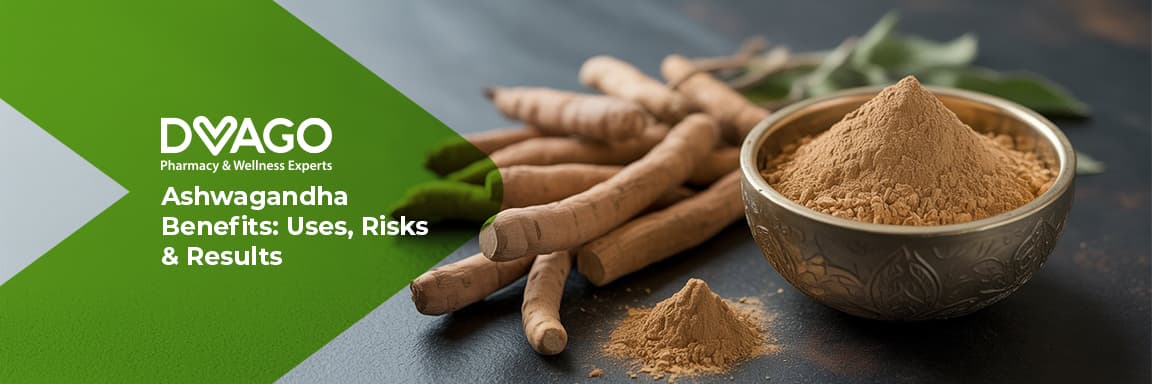
Ashwagandha Benefits: Uses, Risks & Results
Ashwagandha is one of the most powerful herbs in traditional Ayurvedic medicine and has been used for thousands of years to support physical strength, mental clarity, and overall well-being. Known scientifically as Withania somnifera, this adaptogenic herb is widely recognized for its ability to help the body manage stress, improve energy levels, and restore balance.
In recent years, Ashwagandha has gained global attention as a natural supplement for stress relief, better sleep, hormonal balance, and even improved athletic performance. However, like any supplement, it is important to understand its benefits, proper uses, possible risks, and realistic results.
This guide explores everything you need to know about Ashwagandha in detail.
What Is Ashwagandha?
Ashwagandha is a small shrub found in India, the Middle East, and parts of Africa. Its roots and berries are used for medicinal purposes.
It is classified as an adaptogen, which means it helps the body adapt to stress and restore internal balance.
The name "Ashwagandha" comes from Sanskrit and means "smell of a horse," referring to its traditional belief of giving strength and vitality similar to a horse.
How Ashwagandha Works in the Body
Ashwagandha works mainly by influencing the body’s stress response system.
It helps regulate:
Cortisol (stress hormone)
Nervous system activity
Inflammatory responses
Hormonal balance
Its active compounds, called withanolides, are responsible for most of its health benefits.
By reducing stress hormones and calming the nervous system, Ashwagandha supports both mental and physical wellness.
Top Ashwagandha Benefits
1. Reduces Stress and Anxiety
One of the most well-known benefits of Ashwagandha is its ability to reduce stress levels.
It helps by:
Lowering cortisol levels
Calming the nervous system
Improving emotional stability
Many studies suggest that Ashwagandha may significantly reduce symptoms of stress and anxiety when taken consistently.
2. Improves Sleep Quality
Ashwagandha is often used as a natural sleep aid.
It may help:
Reduce insomnia symptoms
Improve sleep duration
Enhance deep sleep cycles
Unlike sleeping pills, it does not cause dependency and works by calming the mind naturally.
3. Boosts Energy and Reduces Fatigue
Although it calms the body, Ashwagandha also improves energy levels over time.
It helps:
Reduce chronic fatigue
Improve stamina
Support physical endurance
This makes it popular among athletes and busy professionals.
4. Supports Brain Function and Memory
Ashwagandha is known for its neuroprotective properties.
It may help:
Improve memory
Enhance focus and concentration
It is often used to improve mental clarity during stressful periods.
5. Enhances Physical Performance
Athletes use Ashwagandha to improve strength and performance.
It may support:
Muscle strength
Faster recovery
Improved oxygen use during exercise
Some studies show improvements in overall physical performance with regular use.
6. Supports Hormonal Balance
Ashwagandha can help regulate hormones in both men and women.
It may:
Support thyroid function
Improve reproductive health
Balance stress-related hormonal changes
In men, it is often associated with improved testosterone levels.
7. May Improve Fertility in Men
Research suggests Ashwagandha may:
Improve sperm count
Support reproductive health
This is linked to its antioxidant and stress-reducing effects.
8. Supports Immune System
Ashwagandha contains compounds that help strengthen immune response.
It may:
Increase white blood cell activity
Support disease resistance
A balanced immune system helps the body fight infections more effectively.
9. Reduces Inflammation
Chronic inflammation is linked to many health problems.
Ashwagandha may help reduce inflammation markers in the body, supporting overall wellness.
10. Supports Heart Health
Ashwagandha may contribute to cardiovascular health by:
Reducing stress-related heart strain
Improving circulation
Stress reduction plays a major role in heart health improvement.
Forms of Ashwagandha
Ashwagandha is available in multiple forms:
Capsules
Tablets
Powder
Liquid extracts
Each form has similar benefits, but capsules are often preferred for convenience.
Recommended Uses of Ashwagandha
People commonly use Ashwagandha for:
Anxiety relief
Sleep improvement
Energy enhancement
Fitness recovery
Hormonal balance
How Long Does It Take to Work?
Ashwagandha is not an instant solution.
Most users notice results within:
1 to 2 weeks (mild effects like calmness)
4 to 8 weeks (full benefits like stress reduction and energy improvement)
Consistency is important for the best results.
Who Can Benefit Most?
Ashwagandha may be especially helpful for:
People with high stress
Individuals with sleep issues
Students under pressure
Athletes
People with fatigue or burnout
Safety and Precautions
While Ashwagandha is generally safe, it may not be suitable for everyone.
Possible side effects include:
Mild stomach upset
Drowsiness
Headache (rare cases)
People who should consult a doctor before use:
Pregnant or breastfeeding women
People with thyroid disorders
Individuals taking sedatives or anxiety medications
Recommended Dosage of Ashwagandha
The correct dosage of Ashwagandha depends on its form, concentration, and individual health needs.
General guidelines include:
Capsules/Tablets: 300 mg to 600 mg per day (standardized extract)
Powder: 1 to 2 teaspoons daily mixed with water, milk, or smoothies
Liquid extract: As directed on product label
It is usually recommended to take Ashwagandha:
After meals (to avoid stomach discomfort)
In the evening (for sleep support) or morning (for stress and energy)
However, the ideal dosage should always be based on individual tolerance and medical advice.
Realistic Results: What to Expect from Ashwagandha
Ashwagandha is not a quick-fix solution. Its effects build gradually over time.
Week 1–2:
Mild relaxation
Slight reduction in stress
Improved sleep onset for some users
Week 3–4:
Noticeable reduction in anxiety
Better energy levels
Improved focus and calmness
Week 6–8:
Stronger stress resistance
Better sleep quality
Improved stamina and mental clarity
Hormonal balance improvements (in some individuals)
Consistency is key for long-term benefits.
Risks and Side Effects of Ashwagandha
Although Ashwagandha is natural, it may still cause side effects in some people.
Possible Side Effects:
Most side effects occur when:
Dosage is too high
Taken on an empty stomach
Combined with certain medications
Who Should Avoid Ashwagandha?
Ashwagandha may not be suitable for everyone. You should consult a healthcare professional if you are:
Pregnant or breastfeeding
Taking sedatives or anti-anxiety medications
Having thyroid disorders (especially hyperthyroidism)
Suffering from autoimmune diseases (in some cases)
Preparing for surgery (due to sedative effects)
Safety always comes first when using herbal supplements.
Ashwagandha Interactions with Medications
Ashwagandha may interact with:
These interactions can either enhance or reduce the effects of prescribed medicines, so medical guidance is important.
Ashwagandha for Stress vs Modern Lifestyle
Modern lifestyles often include:
High work pressure
Screen fatigue
Poor sleep patterns
Constant mental stress
Ashwagandha helps counter these effects by:
Reducing cortisol spikes
Supporting nervous system balance
Promoting relaxation without sedation
Improving resilience to stress
This makes it especially useful for students, professionals, and shift workers.
Ashwagandha vs Other Natural Supplements
Ashwagandha vs Magnesium:
Magnesium mainly supports muscle relaxation and sleep
Ashwagandha focuses on stress and cortisol balance
Ashwagandha vs Valerian Root:
Valerian is stronger for sleep induction
Ashwagandha supports long-term stress balance
Ashwagandha vs Ginseng:
Ginseng boosts energy quickly
Ashwagandha improves energy gradually through stress reduction
Each supplement has its own role, but Ashwagandha stands out for holistic stress management.
Can Ashwagandha Be Taken Daily?
Yes, Ashwagandha is generally safe for daily use when taken within the recommended dosage.
However:
Some people prefer cycling (e.g., 8 weeks on, 2 weeks off)
Long-term use should be monitored in sensitive individuals
Daily use is common for stress, sleep, and energy support.
Best Time to Take Ashwagandha
The best time depends on your goal:
For stress relief: Morning or daytime
For sleep improvement: Evening before bed
For energy support: Morning with breakfast
Taking it consistently at the same time daily improves results.
Ashwagandha with Milk or Water?
Traditional Ayurvedic practice often recommends Ashwagandha with warm milk because:
It improves absorption
Enhances calming effect
Supports sleep quality
However, it can also be taken with:
Water
Herbal tea
Smoothies
The choice depends on preference and tolerance.
Final Thoughts: Is Ashwagandha Worth It?
Ashwagandha is one of the most well-researched and widely used herbal supplements for stress, sleep, energy, and overall wellness.
Its key strengths include:
Natural stress reduction
Improved sleep quality
Enhanced energy and stamina
Hormonal balance support
Cognitive and memory benefits
However, results vary depending on:
Dosage
Consistency
Individual health condition
Lifestyle habits
It is not a miracle cure, but when used correctly, Ashwagandha can be a powerful addition to a healthy lifestyle.
Conclusion
Ashwagandha continues to stand out as a trusted adaptogenic herb in both traditional and modern wellness practices. It offers a natural way to manage stress, improve sleep, support mental clarity, and enhance overall vitality.
When combined with proper lifestyle habits such as balanced nutrition, regular exercise, and good sleep hygiene, Ashwagandha can significantly contribute to better physical and mental well-being.
As with any supplement, it is important to use it responsibly, follow recommended dosages, and consult a healthcare professional when necessary.
In a fast-paced world filled with constant stress, Ashwagandha remains a simple yet powerful natural solution for restoring balance and improving quality of life.