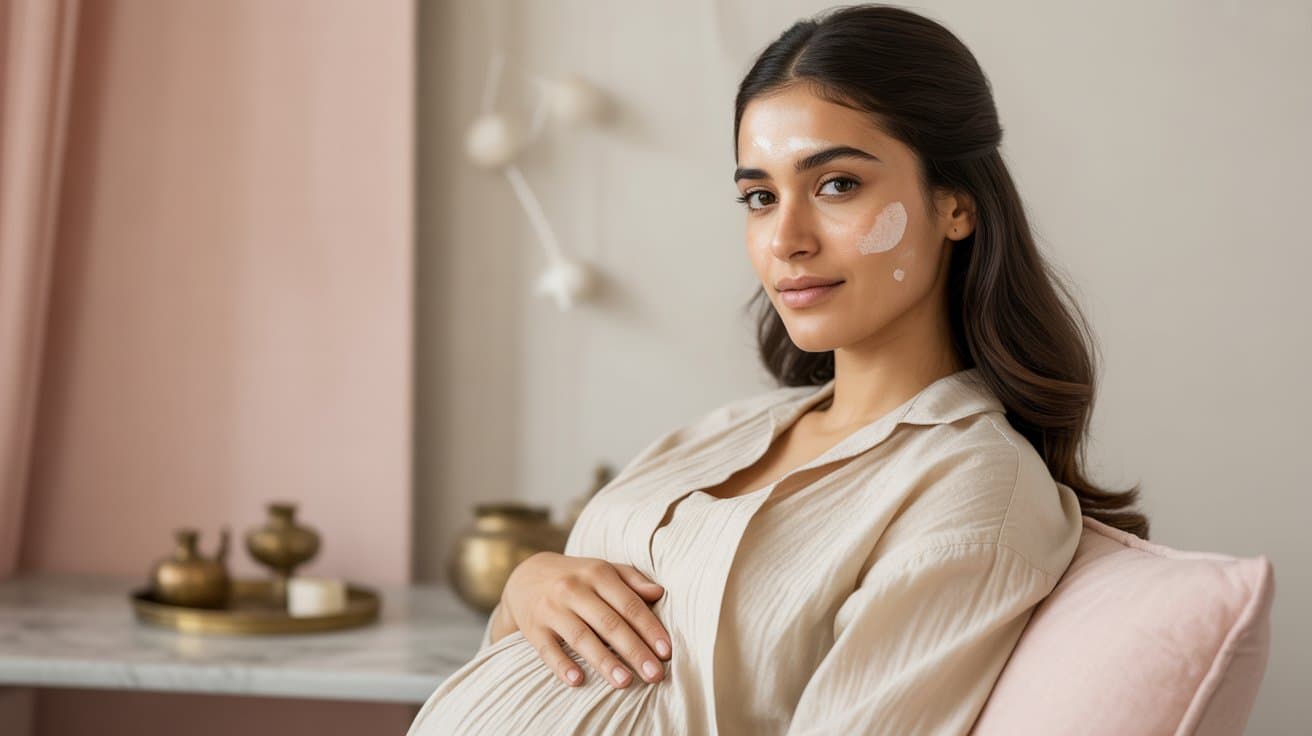
5 Ways To Treat Melasma During Pregnancy In Pakistan
Pregnancy is a transformative phase in a woman’s life, bringing both joy and significant physical changes. Among these changes, skin-related concerns are extremely common, and one of the most noticeable is melasma, often called the “mask of pregnancy.” In Pakistan, where sunlight is intense and environmental conditions can be harsh on the skin, melasma tends to appear more prominently and can be difficult to manage without proper care.
Melasma presents as dark, uneven patches on the face, typically affecting areas such as the cheeks, forehead, upper lip, and nose. While it is medically harmless, it can impact confidence and emotional well-being, especially during a time when women are already adjusting to multiple changes in their bodies.
This blog provides a comprehensive, medically safe, and practical guide tailored specifically for women in Pakistan. It focuses on five effective ways to manage melasma during pregnancy, while also explaining causes, triggers, and precautions.
Understanding Melasma
Melasma is a form of hyperpigmentation caused by the overproduction of melanin, the pigment responsible for skin color. It is particularly common in women with medium to darker skin tones, making it highly prevalent across South Asia.
During pregnancy, hormonal fluctuations play a central role. Increased levels of estrogen and progesterone stimulate melanocytes (pigment-producing cells), leading to excess melanin formation. This results in visible dark patches on the skin.
Why Melasma Is More Common in Pakistan
Several environmental and lifestyle factors make melasma more noticeable and persistent in Pakistan:
High UV Index: Sun exposure is intense for most of the year, especially in cities like Karachi, Lahore, and Islamabad.
Heat and Humidity: These conditions stimulate melanin production even without direct sunlight.
Outdoor Lifestyle: Daily commuting and outdoor responsibilities increase sun exposure.
Limited Awareness: Many women are unaware of safe skincare practices during pregnancy.
Because of these factors, managing melasma in Pakistan requires a combination of protection, prevention, and safe treatment.
Is Melasma Permanent?
Melasma is not always permanent. In many cases, it fades gradually after childbirth as hormone levels stabilize. However, without proper care, it can persist for months or even years.
Early management is essential to prevent deep pigmentation and long-term skin damage.
Way 1: Make Sunscreen a Daily Essential
The most important and effective step in managing melasma is consistent sunscreen use.
Why Sunscreen Matters
Ultraviolet (UV) rays are the primary trigger for melasma. Even minimal sun exposure can worsen pigmentation and make existing patches darker. In Pakistan’s climate, UV exposure is unavoidable, which makes sunscreen non-negotiable.
Choosing the Right Sunscreen
During pregnancy, safety is critical. Look for:
Broad-spectrum protection (UVA and UVB)
SPF 30 or higher
Mineral-based formulas (zinc oxide or titanium dioxide)
Fragrance-free and dermatologically tested
Application Guidelines
Apply sunscreen every morning, even if staying indoors
Reapply every 2–3 hours when outdoors
Use an adequate quantity to cover face, neck, and exposed areas
Sunscreen is not just a cosmetic product; it is a protective barrier against worsening pigmentation.
You can find pregnancy-safe sunscreen options at Dvago Pharmacy, where a range of dermatologist-approved products is available.
Way 2: Use Pregnancy-Safe Skincare Ingredients
Treating melasma during pregnancy requires caution because many common treatments are not safe for expectant mothers. Choosing the right ingredients is essential.
Safe Ingredients for Melasma
Vitamin C
A powerful antioxidant that helps brighten the skin and reduce pigmentation over time.
Niacinamide
Improves skin tone, reduces inflammation, and strengthens the skin barrier.
Azelaic Acid
One of the safest and most effective treatments for melasma during pregnancy. It helps reduce melanin production and improves skin texture.
Ingredients to Avoid
Certain ingredients commonly used for pigmentation are not recommended during pregnancy:
Retinoids (Vitamin A derivatives)
Hydroquinone
Strong chemical exfoliants without medical supervision
Using these can pose risks and should be avoided unless specifically prescribed by a healthcare professional.
Why Gentle Skincare Matters
Pregnancy makes the skin more sensitive. Harsh products can cause irritation, which may worsen pigmentation rather than improve it. A gentle and consistent skincare routine is far more effective in the long run.
Reliable pharmacies like Dvago Pharmacy provide access to safe and authentic skincare products, helping reduce the risk of counterfeit or harmful formulations.
Way 3: Minimize Sun and Heat Exposure
While sunscreen is essential, it is not enough on its own. Physical protection from sunlight and heat is equally important.
Understanding the Role of Heat
Many people assume only sunlight causes melasma, but heat also plays a significant role. High temperatures can stimulate melanocytes, leading to increased pigmentation even in shaded areas.
Practical Protection Strategies
Avoid outdoor activities between 12 PM and 4 PM
Wear wide-brimmed hats or use umbrellas
Choose loose, breathable clothing
Stay in air-conditioned or shaded environments whenever possible
In cities like Karachi, where humidity intensifies the effects of heat, these precautions become even more important.
Building a Sustainable Routine
Managing melasma is not about quick fixes. It requires a consistent and realistic routine that fits into daily life.
Start with:
Daily sunscreen
Gentle skincare
Reduced sun exposure
These foundational steps create the conditions needed for improvement.
The Importance of Patience
One of the biggest challenges with melasma treatment is the time it takes to see results. Unlike temporary skin issues, pigmentation develops gradually and also fades slowly.
Expect:
Gradual improvement over weeks to months
No overnight results
Better outcomes with consistency
Avoid switching products too frequently, as this can irritate the skin and worsen the condition.
Cultural and Lifestyle Considerations in Pakistan
In Pakistan, social and cultural factors can influence skincare habits:
Limited use of sunscreen due to lack of awareness
Preference for home remedies, which may not always be safe
Exposure to direct sunlight during daily chores
While natural remedies are popular, not all are suitable during pregnancy. It is important to rely on evidence-based, safe practices.
Transition to Advanced Care
For some women, basic care may not be enough. In such cases, professional guidance becomes necessary. However, treatment options during pregnancy are limited and must always prioritize safety.
Way 4: Support Skin Health Through Hydration and Nutrition
While topical treatments play an important role, internal health is equally critical when managing melasma—especially during pregnancy.
Why Nutrition Matters
Your skin reflects your overall health. During pregnancy, your body requires more nutrients to support both maternal and fetal development. If these needs are not met, skin concerns like pigmentation can become more pronounced.
Key Nutrients for Managing Melasma
Vitamin C
Vitamin C helps brighten the skin and reduce oxidative stress caused by sun exposure. It also supports collagen production, improving overall skin quality.
Sources include:
Oranges
Lemons
Guava
Bell peppers
Vitamin E
This antioxidant protects skin cells from damage and supports healing.
Sources include:
Almonds
Sunflower seeds
Spinach
Folate (Folic Acid)
Essential during pregnancy, folate also contributes to skin repair and regeneration.
Sources include:
Leafy green vegetables
Lentils
Citrus fruits
Hydration and Its Role
Dehydration can make skin appear dull and worsen uneven tone. In Pakistan’s hot climate, fluid loss is higher due to sweating, making hydration even more important.
Recommendations:
Drink at least 8–10 glasses of water daily
Include natural fluids such as coconut water and fresh juices
Avoid excessive caffeine, which can dehydrate the body
Practical Tip
Maintaining a balanced diet is not just beneficial for managing melasma it also contributes to overall pregnancy health. A consistent intake of nutrients supports skin recovery and helps reduce the intensity of pigmentation over time.
Way 5: Seek Professional Dermatological Guidance
If melasma becomes severe or does not improve with basic care, consulting a dermatologist is the safest and most effective step.
Why Professional Help Is Important
Each individual’s skin is different, and pregnancy adds another layer of complexity. A dermatologist can:
Accurately assess the severity of melasma
Recommend pregnancy-safe treatments
Monitor progress and adjust care accordingly
Safe Treatment Options During Pregnancy
While many advanced treatments are avoided during pregnancy, some options are considered safe under medical supervision:
Topical Azelaic Acid
This remains one of the most commonly prescribed treatments for melasma in pregnant women.
Mild Chemical Peels
In certain cases, very gentle peels may be recommended, but only under strict professional guidance.
Medical-Grade Skincare Products
Dermatologists may suggest specific formulations designed to target pigmentation without compromising safety.
Access to Authentic Products
Obtaining genuine, dermatologist-recommended products is essential. Counterfeit or unregulated skincare products can worsen melasma and harm sensitive pregnancy skin.
Pharmacies such as Dvago Pharmacy provide access to authentic, quality-controlled skincare and prescribed treatments, reducing the risks associated with unreliable sources.
Common Myths About Melasma in Pakistan
There are several misconceptions surrounding melasma that can lead to ineffective or unsafe practices.
Myth 1: Melasma Will Disappear Immediately After Pregnancy
While melasma may fade after childbirth, it often takes time and may require continued care.
Myth 2: Home Remedies Are Always Safe
Natural ingredients are not automatically safe during pregnancy. Some can irritate the skin or worsen pigmentation.
Myth 3: Sunscreen Is Only Needed Outdoors
UV rays can penetrate windows, making indoor sunscreen use equally important.
Myth 4: Scrubbing or Exfoliating Frequently Will Remove Pigmentation
Over-exfoliation can damage the skin barrier and increase melasma severity.
Emotional and Psychological Impact
Melasma is not just a cosmetic concern. For many women, it affects self-confidence and emotional well-being, particularly during pregnancy when physical changes are already significant.
It is important to recognize that:
Melasma is very common
It is not harmful
It does not define your appearance
A balanced approach that combines care, patience, and realistic expectations can help reduce stress related to skin changes.
Post-Pregnancy Treatment Options
After delivery, more advanced treatments become available if melasma persists.
These may include:
Chemical peels
Laser treatments
Prescription-strength topical agents
However, these should only be considered after consulting a qualified dermatologist, especially if breastfeeding.
A Simple Daily Routine for Managing Melasma
Consistency is more important than complexity. A simple, safe routine can be highly effective.
Morning Routine
Vitamin C serum
Broad-spectrum sunscreen
Evening Routine
Cleanser
Azelaic acid (if prescribed)
Moisturizer
Avoid layering too many products, as this can irritate sensitive skin.
Long-Term Prevention Strategies
Even after melasma improves, maintaining results requires ongoing care.
Key Preventive Measures
Continue daily sunscreen use
Avoid prolonged sun exposure
Maintain a healthy diet
Use gentle, non-irritating skincare products
Melasma has a tendency to recur, especially with sun exposure, so long-term prevention is essential.
The Role of Reliable Pharmacies
Access to safe, high-quality skincare products plays a crucial role in managing melasma effectively. In Pakistan, where counterfeit products can sometimes enter the market, choosing a trusted source is critical.
Pharmacies like Dvago Pharmacy offer:
Authentic skincare products
Pregnancy-safe formulations
Easy availability of dermatologist-recommended treatments
This ensures both safety and effectiveness, particularly during a sensitive time like pregnancy.
Final Thoughts
Melasma during pregnancy is a common and natural condition, especially in a country like Pakistan, where environmental factors can intensify pigmentation. While it may not be entirely preventable, it is manageable with the right approach.
By following these five strategies:
Consistent sunscreen use
Pregnancy-safe skincare
Minimizing sun and heat exposure
Proper hydration and nutrition
Professional dermatological guidance
you can significantly reduce the appearance of melasma and protect your skin.
The key lies in consistency, patience, and informed choices. Quick fixes and harsh treatments should be avoided, especially during pregnancy. Instead, focus on safe, gradual improvement.
With access to reliable products from trusted providers like Dvago Pharmacy, managing melasma becomes more practical and less stressful.
Healthy skin during pregnancy is not about achieving perfection but about maintaining balance and care. Melasma is temporary for many women, and with the right habits, its impact can be minimized effectively.
Understanding your skin, protecting it from environmental triggers, and choosing safe treatments will help you navigate this phase with confidence and clarity.