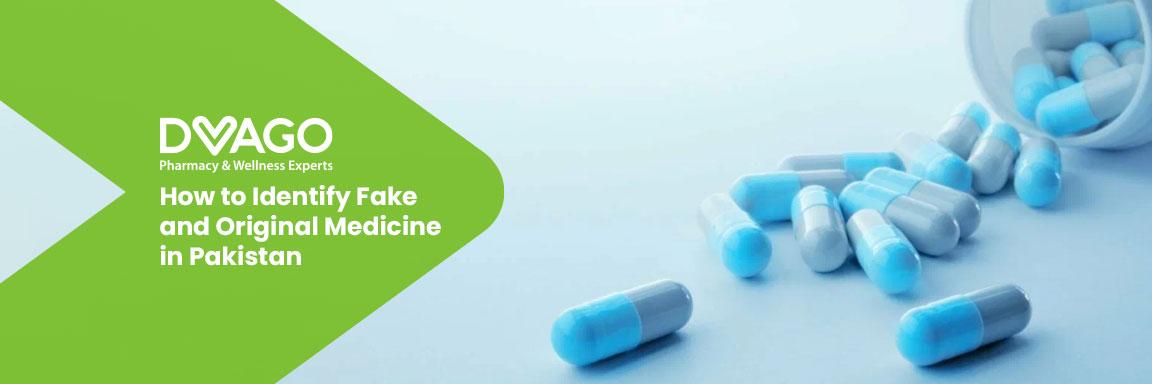
How To Identify Fake And Original Medicine In Pakistan
Now buying medicine has become easier than ever, from local pharmacies to online stores, medicines are just a click away. But with this convenience comes a serious and growing threat: counterfeit medicines.
According to the World Health Organization (WHO), one in every ten medicines in developing countries is substandard or fake. In Pakistan, where unregulated pharmacies and online sellers operate freely, the problem is even more alarming.
Fake medicines don’t just waste your money; they can cause treatment failure, drug resistance, and even life-threatening reactions. That’s why every patient, caregiver, and healthcare professional must know how to identify whether a medicine is real or fake.
In this detailed guide, we’ll help you understand how counterfeit medicines make their way into the market, what signs to look for, and how Dvago, Pakistan’s trusted pharmacy chain, ensures that every medicine you receive is 100% genuine.
What Are Counterfeit Medicines?
Counterfeit or fake medicines are products that are intentionally and fraudulently mislabeled about their identity, composition, or origin. They are designed to look just like genuine drugs, but what’s inside is often harmful or ineffective.
These products may:
Contain no active ingredient or the wrong one,
Include toxic chemicals, expired substances, or fillers,
Be packaged to imitate original brands, and
Enter the market through unauthorized or illegal suppliers.
The result? Patients suffer both physically and financially while counterfeiters profit.
Why Counterfeit Medicines Are a Major Concern in Pakistan
Pakistan’s large and fragmented pharmaceutical market makes it vulnerable to counterfeiters. The key reasons include:
Unregulated supply chains: Many small pharmacies and distributors source medicines through informal channels without verification.
Limited consumer awareness: Most people cannot distinguish between real and fake packaging.
Online pharmacies without licenses: Fake or unapproved sellers offer discounted “branded” medicines that are often counterfeit.
Weak enforcement: Despite strict Drug Regulatory Authority of Pakistan (DRAP) laws, enforcement challenges persist.
The danger is especially high for life-saving drugs such as antibiotics, insulin, heart medication, and cancer treatments, where authenticity directly impacts survival and recovery.
Common Signs of Fake Medicines
While counterfeit drugs are made to look almost identical to the original, there are several warning signs that can help you identify them.
1. Packaging Irregularities
Compare your medicine’s packaging with what you’ve previously purchased or what’s displayed on the manufacturer’s official website. Look for:
Misspelled words or grammatical errors,
Blurred logos, faded print, or uneven color,
Missing manufacturer details or batch numbers,
Broken, torn, or poorly sealed boxes or blister packs.
Genuine pharmaceutical companies maintain strict quality control if something looks “off,” it probably is.
2. Missing or Fake Security Seals
Most authentic medicines come with tamper-proof seals, holograms, or shrink wraps. If the seal is broken, loose, or missing altogether, don’t use the medicine.
Always check:
Whether seals are properly aligned,
Whether there’s a holographic sticker or security label, and
Whether the seal appears to have been re-glued or replaced.
3. Inconsistent Pill or Syrup Appearance
Fake medicines often differ slightly in color, shape, texture, or smell compared to the original. For example:
Pills may look overly shiny or rough.
Syrups may have an unusual odor or sediment.
Creams or gels may have an inconsistent texture or separation.
If the medicine doesn’t look, taste, or smell the way it normally does, stop using it immediately and verify with a licensed pharmacist.
4. Incorrect Batch Number or Expiry Date
Every legitimate pharmaceutical product carries a batch number, manufacturing date, and expiry date that can be cross-checked.
If these details are:
Missing,
Printed unevenly, or
Don’t match the information on the leaflet or packaging, it’s a major red flag. You can also verify these details through the manufacturer’s helpline or website.
5. Suspiciously Low Prices
If the price is too good to be true, it probably is.
Fake medicine sellers often lure customers with heavy discounts or “promotional offers.” Always question unusually low prices, especially for imported or high-demand products.
Dvago maintains transparent pricing across all branches and online platforms to eliminate such confusion.
6. Lack of Proper Leaflet or Labeling
Every genuine medicine pack must include an information leaflet mentioning:
Composition,
Dosage instructions,
Side effects, and
Manufacturer details.
Fake medicines may omit these entirely or include poorly printed, low-quality leaflets.
How to Verify Medicine Authenticity in Pakistan
Here are a few practical ways to confirm that your medicine is original and safe:
1. Buy Only from Licensed Pharmacies
The most important rule: never buy from street vendors or unverified online stores.
Always choose pharmacies that:
Are licensed under DRAP,
Have qualified pharmacists on duty, and
Source medicines directly from authorized distributors.
Dvago, for example, sources 100% of its medicines directly from registered manufacturers, ensuring zero risk of counterfeit infiltration.
2. Use QR Codes and Track & Trace Systems
Many pharmaceutical companies now use unique barcodes or QR codes on their packaging.
You can scan these using your phone or visit the manufacturer’s official verification portal to confirm authenticity.
Dvago encourages customers to check these before consuming their medicines, reinforcing transparency and consumer confidence.
3. Verify with the Manufacturer
If you still suspect your medicine might be fake, reach out directly to the manufacturer through their customer care number or website. Provide the batch number, expiry date, and pharmacy details for verification.
Legitimate companies often keep track of distribution batches and can confirm whether your purchase came from an authorized supplier.
4. Consult a Pharmacist
Never underestimate the role of a licensed pharmacist. They are trained to identify inconsistencies in packaging, dosage, and drug composition.
At Dvago, every branch employs qualified pharmacists who guide customers, check packaging authenticity, and ensure that only genuine products reach patients.
5. Report Suspicious Medicines
If you encounter a suspected counterfeit medicine, report it immediately to:
The Drug Regulatory Authority of Pakistan (DRAP), or
Your nearest Dvago pharmacy, where professionals can assist you in verification and reporting.
This helps protect others from falling victim to counterfeit medicines and supports national efforts to eliminate fake drugs from the market.
Dvago’s Role in Ensuring Medicine Authenticity
Dvago has emerged as a national leader in authentic pharmaceutical retail by integrating technology, transparency, and healthcare expertise.
Here’s how Dvago ensures every medicine it sells is 100% real:
Direct Sourcing: All medicines are obtained straight from registered manufacturers and authorized distributors no middlemen.
Smart Inventory Management: Dvago’s digital system tracks every batch number and expiry date, enabling immediate recall if necessary.
Temperature-Controlled Storage: Proper storage ensures medicine potency and safety from warehouse to your doorstep.
Pharmacist Supervision: Every order is checked and dispensed under pharmacist oversight both in-store and online.
Tamper-Proof Delivery: Online orders from dvago arrive in sealed, controlled packaging with full traceability.
This multi-layered verification system ensures customers across Pakistan receive nothing but real medicines and real care.
Dvago’s Awareness Mission
Beyond selling medicines, Dvago takes pride in educating the public. Through social media campaigns, community outreach, and in-store education, Dvago spreads awareness about:
How to spot fake medicines,
Why buying from unverified sources is dangerous, and
How technology can help protect your health.
By making authenticity a national conversation, Dvago is helping build a healthier, better-informed Pakistan.
Conclusion
Counterfeit medicines are one of the most dangerous threats to public health in Pakistan but awareness and vigilance can save lives.
As a consumer, always remember to buy from trusted pharmacies, check packaging details, and verify with pharmacists or manufacturers when in doubt.
And when it comes to guaranteed authenticity, Dvago stands as your most reliable partner. With its transparent sourcing, digital traceability, and professional pharmacists, Dvago ensures that every medicine you take is 100% genuine, safe, and effective.
Because at the end of the day, your health deserves nothing less than the real thing.

Article by
Summaya Azhar