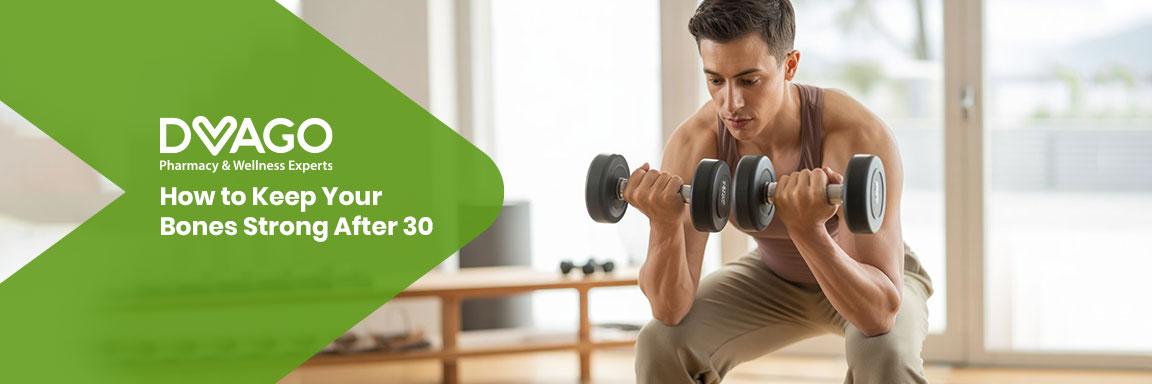
How To Keep Your Bones Strong After 30
Maintaining strong, healthy bones becomes increasingly important once you hit your 30s. Up until about age 30, your body builds bone mass, but after that, bone breakdown begins to outpace new bone formation, and without the right habits, bone strength can gradually decline. This process is subtle at first but can eventually increase the risk of conditions like osteopenia and osteoporosis, fractures, posture changes, and reduced mobility later in life.
This comprehensive guide will explore the science-backed strategies you need to protect your skeletal system, including nutrition, exercise, lifestyle habits, and expert tips, plus 8 FAQs to boost both knowledge and search engine visibility.
Why Bone Health Matters After Age 30?
Your bones are living tissues that constantly remodel throughout your life. Up to your late 20s or early 30s, your body is generally in a “bone-building” phase and achieves what’s called peak bone mass. After this point, bone breakdown begins to slowly exceed bone building, a natural part of aging, meaning that your choices in your 30s and beyond significantly impact your bone density later in life.
If preventive steps aren’t taken, age-related decline can accelerate, especially in women around menopause due to hormonal shifts. Strong bones help you move better, stay active longer, and reduce your risk of painful fractures in older age.
Get the Right Amount of Calcium
Calcium is the main mineral in bones, critical for bone strength and structure. Without sufficient calcium in your diet, your body leeches it from bone stores, weakening them over time.
Daily Calcium Goals:
Adults ages 19–50: 1,000 mg daily
Women over 50 & men over 70: 1,200 mg daily
Best Calcium Sources:
Dairy products (milk, yogurt, cheese)
Dark leafy greens (kale, bok choy, spinach)
Canned salmon or sardines with bones
Fortified foods like tofu and plant milks
Tip: Spread calcium intake across meals, as your body absorbs smaller amounts more effectively.
Don’t Forget Vitamin D
Vitamin D is essential because it helps your body absorb and use calcium efficiently. Even if your diet is high in calcium, low vitamin D levels can limit how much your body retains.
You get vitamin D from:
Sunlight exposure (10–20 minutes on bare skin several times weekly)
Fatty fish like salmon, tuna, and mackerel
Egg yolks and fortified foods
If sun exposure is limited, due to indoor lifestyle, geographic location, or season, talk to a healthcare provider about vitamin D supplementation.
Prioritize Weight-Bearing and Resistance Exercise
Just like muscles, bones respond to physical stress. When you place stress on bones through activities where your body resists gravity, it stimulates bone-building cells and strengthens bone structure.
Examples of Bone-Friendly Exercises:
Weight-bearing: Brisk walking, jogging, hiking, dancing, stair climbing
Resistance training: Weightlifting, resistance bands, bodyweight exercises like squats and lunges
Balance and flexibility work: Tai chi, yoga, Pilates (reduces fall risk)
Aim for at least 150 minutes of moderate activity per week, with strength training on multiple days.
Even small weighted tasks, like walking with a weighted vest, add beneficial stress to bones.
Eat Plenty of Protein
Protein isn’t just for muscles; it makes up about half the volume of bone and one-third of its mass. Adequate protein intake supports bone formation and muscle strength, which in turn protects bones by improving balance and reducing fall risk.
Include lean proteins such as:
Poultry
Fish
Lentils and beans
Eggs
Dairy products
Include Other Essential Minerals and Vitamins
Your bones also rely on nutrients beyond calcium and vitamin D:
Magnesium: helps convert vitamin D into its active form
Vitamin K: plays a role in bone mineralization
Phosphorus: important for bone structure
Potassium: helps neutralize bone-depleting acids in the body
Sources: Leafy greens, nuts (almonds, seeds), bananas, whole grains, and legumes.
Maintain a Healthy Lifestyle
Some common lifestyle factors can accelerate bone loss if not addressed. Think of bone health holistically; your daily choices matter:
Quit smoking: Tobacco use decreases bone strength and healing.
Limit alcohol: Excess alcohol interferes with calcium balance.
Moderate caffeine: Too much can hinder calcium retention.
Stay at a healthy weight: Being underweight increases the risk of bone loss, while obesity may strain joints.
Improve Balance & Prevent Falls
As you age, fall prevention becomes crucial because falls are a major cause of fractures, especially in the hip, spine, and wrist.
Try:
Balance exercises (standing on one foot)
Yoga or tai chi
Core strengthening workouts
Remove home tripping hazards
These practices improve coordination and reduce fracture risk.
Get Regular Health Check-Ups
After 30, especially if you have risk factors like family history of osteoporosis, early menopause, or chronic illness:
Ask your doctor about bone density testing (e.g., DEXA scan).
Track your risk with blood tests that check vitamin D and calcium levels.
Early detection of low bone density can help you take corrective action before significant bone loss occurs.
Daily Habits That Build Strong Bones
Let’s summarize some simple, practical daily habits you can adopt right now:
Walk briskly or take stairs instead of elevators
Spend time outdoors for sunshine and vitamin D
Add calcium-rich foods to every meal

No Product Found
Kindly add products in your wishlist!
- Medicine
- Baby & Mother Care
- Nutritions & Supplements
- Foods & Beverages
- Devices & Support
- Personal Care
- OTC And Health Need
Download Dvago App Now!



Delivers inSelect Location